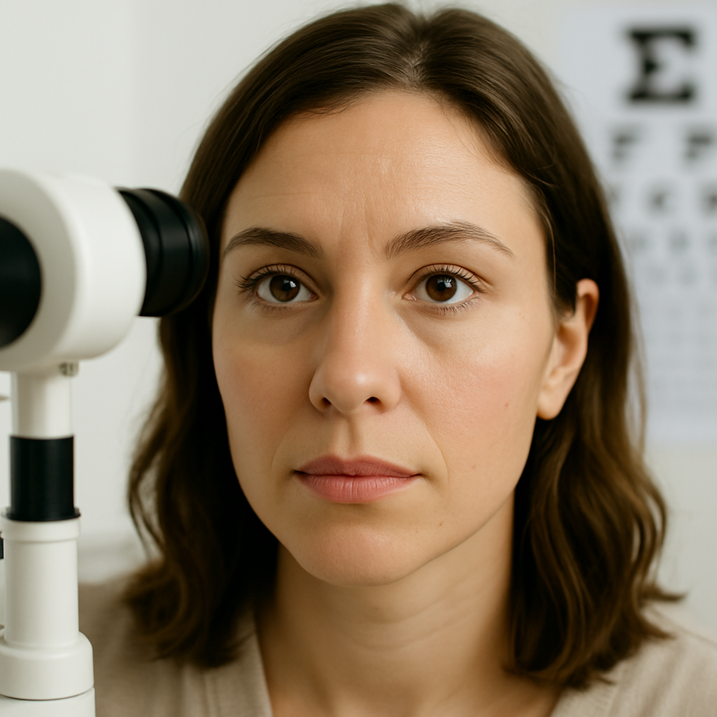
Why Your Eyes Are More Than Just a Window to the World
We often think of eye exams as routine checkups—quick visits to update a prescription or check for signs of aging vision. But your eyes may be revealing far more than whether you need new glasses.
In reality, the eyes are one of the only places in the body where a trained professional can directly observe blood vessels, nerve tissue, and signs of inflammation—without surgery or scans. And what they see can say a lot about your overall health.
Functional medicine emphasizes the importance of early detection and root-cause insight. Eye care, when practiced holistically, plays a surprisingly powerful role in that process. In some cases, a routine eye exam has been the first clue in uncovering high blood pressure, diabetes, autoimmune disease, or nutrient deficiencies—long before other symptoms show up.
In this article, we’ll explore how the eyes reflect what’s happening in the rest of the body, which conditions may show up first in a vision exam, and how working with a whole-body-conscious eye doctor can become an essential part of your wellness journey.
The Eyes as Early Warning Signals: What Optometrists Really See
A standard eye exam does much more than test how well you can see. For a trained optometrist, it’s an opportunity to assess the health of your entire body—through your eyes.
Using non-invasive tools like retinal imaging and slit-lamp exams, eye doctors can observe blood vessels, nerve tissue, the optic disc, and signs of inflammation. Because the eye is rich in microvascular structures and connective tissues, changes here often mirror what’s happening throughout the body.
For example:
- Retinal changes can be early signs of diabetes, sometimes visible before a patient is even diagnosed.
- Pale or narrowed blood vessels may signal underlying hypertension or vascular dysfunction.
- Swelling of the optic nerve can reflect neurological or intracranial pressure.
- Chronic redness, dryness, or irritation may stem from systemic autoimmune diseases like lupus or Sjögren’s.
- Even subtle issues with the eyelids or tear film can suggest thyroid disorders, such as Graves’ disease.
These aren’t rare discoveries. In integrative care settings, it’s increasingly common for optometrists to collaborate with primary care physicians, endocrinologists, or functional medicine practitioners when visual symptoms point to broader imbalances.
When we stop viewing vision as separate from the rest of the body, we begin to see how powerful a role the eyes can play in preventive care.
Systemic Conditions That Show Up First in the Eyes
Your eyes are more than sensory organs—they’re diagnostic tools. Below are some of the most common systemic health issues that can be first detected through subtle eye changes, often before symptoms appear elsewhere in the body.
High Blood Pressure
Elevated blood pressure can cause blood vessels in the retina to narrow, harden, or leak. This condition, known as hypertensive retinopathy, may be visible during an eye exam even in patients with no known cardiovascular issues.
Diabetes
One of the earliest signs of undiagnosed diabetes is diabetic retinopathy, where fluctuating blood sugar damages the tiny capillaries in the retina. Optometrists may detect swelling, hemorrhages, or microaneurysms—sometimes years before a formal diagnosis.
Autoimmune Disorders
Conditions like lupus, rheumatoid arthritis, and Sjögren’s syndrome can lead to chronic eye inflammation, light sensitivity, or severely dry eyes. These symptoms are often persistent and resistant to standard over-the-counter remedies.
Thyroid Disease
Thyroid imbalances, especially Graves’ disease, can cause the eyes to appear bulging or wide, and may contribute to double vision, irritation, and eye movement abnormalities—even when hormone levels seem stable.
Neurological Conditions
Swelling of the optic nerve—called papilledema—can be a red flag for increased intracranial pressure, sometimes linked to migraines, brain tumors, or multiple sclerosis. Subtle vision changes may precede major neurological symptoms.
Nutrient Deficiencies
Deficiencies in vitamin A, omega-3 fatty acids, zinc, or B vitamins can lead to night blindness, dry eyes, delayed healing, or light sensitivity. These signs may show up during an exam, especially when combined with other systemic symptoms.
Understanding these connections can turn a routine eye check into a powerful, preventive health tool—if you know what to look for, and who to look to.
Why Holistic Eye Care Is Gaining Attention
In the past, eye care was often seen as separate from general health—something you did when your vision changed or your glasses broke. But that view is shifting. Today, more people are recognizing that eye health is deeply connected to full-body wellness, and they’re seeking providers who understand that connection.
Holistic and integrative optometry is on the rise, blending traditional diagnostic methods with a broader understanding of how lifestyle, inflammation, nutrition, and systemic conditions affect the eyes. These providers don’t just ask how well you can see—they ask how well your eyes are functioning within the context of your overall health.
This kind of care is becoming more accessible in communities that prioritize prevention and wellness. For example, in Boise, many patients turn to the best eye doctor in Boise for a more comprehensive approach—where vision care includes screening for early signs of chronic disease, environmental strain, and even nutritional deficiencies.
Likewise, in Virginia, more individuals are choosing eye doctors in Alexandria who collaborate with other health professionals to ensure their visual health supports, rather than lags behind, their overall well-being. Whether it’s dry eye linked to autoimmune conditions or subtle retinal changes tied to metabolic health, this kind of cross-disciplinary insight can make all the difference.
As more patients shift toward functional medicine and whole-person wellness, eye care is finally taking its place as an essential part of that bigger picture.
What You Can Do – Supporting Vision as Part of Your Health Routine
You don’t have to wait for symptoms to take your eye health seriously. Supporting your vision can—and should—be part of your overall wellness routine.
How to Start a Holistic, Preventive Approach
Schedule comprehensive eye exams annually
Even if your eyesight feels fine, routine exams can catch early signs of systemic issues like high blood pressure, diabetes, or inflammation—often before your primary care provider does.
Eat for your eyes
Nutrients like lutein, zeaxanthin, vitamin A, omega-3s, and zinc support retinal health, reduce inflammation, and improve tear quality. Load your plate with leafy greens, orange veggies, wild-caught fish, and seeds.
Limit screen exposure and manage blue light
Practice the 20-20-20 rule (every 20 minutes, look 20 feet away for 20 seconds), and consider blue light filters if you’re in front of screens for long periods.
Hydrate and humidify
Dehydration and dry indoor air both contribute to eye fatigue and tear film instability. Keep your environment eye-friendly with proper hydration and a humidifier when needed.
Look beyond symptoms
If you’re experiencing persistent dryness, fatigue, or blurry vision, consider that it may be a sign of something deeper. A functional-minded optometrist can help you uncover the root cause.
Your eyes don’t exist in isolation—and your care for them shouldn’t either.
Your Vision Is a Vital Sign
In the world of integrative and functional health, we’re taught to look for the deeper cause—the early signals, the small imbalances, the subtle shifts that point to something more. Your eyes are full of those signals.
Whether it’s inflammation, blood sugar instability, nutrient depletion, or an autoimmune flare, your eyes may be among the first to respond. But only if someone knows how—and where—to look.
That’s why vision care should never be an afterthought. It’s not just about how clearly you see the world; it’s about how clearly your body is speaking through your eyes.
The next time you schedule a wellness check or review your health plan, consider including your vision as part of that picture. Because your eyes aren’t just responding to your health—they’re reflecting it.
And sometimes, they’re the first to show you what’s happening beneath the surface.


