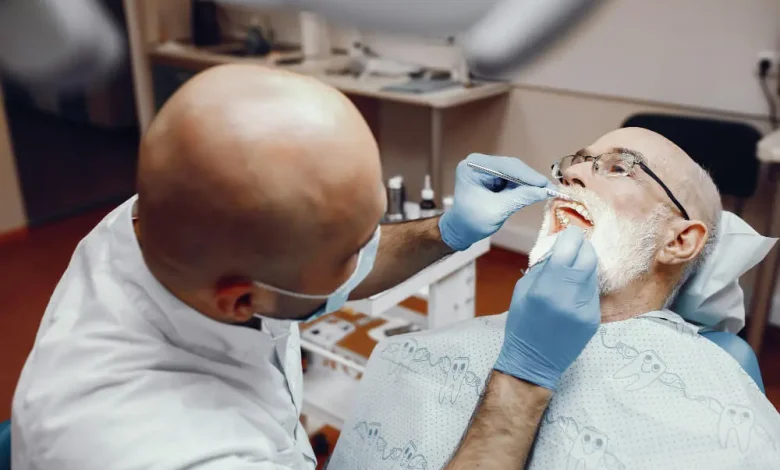
Oral cancer is a significant health concern in India, linked strongly to tobacco and areca-nut use. Its treatment can affect some of the most fundamental daily functions eating, speaking and swallowing which makes supportive care especially valuable. Alongside conventional oral cancer treatment in India, supportive options can help patients manage these challenges and maintain quality of life.
The foundation: conventional treatment
Oral cancer is typically treated with surgery, radiation therapy and chemotherapy, alone or in combination, depending on the location and stage. These treatments are the essential first line, and supportive care is designed to complement them helping patients cope with their effects, not replace the treatment itself.
Why supportive care matters in oral cancer
Because oral cancer treatment directly affects the mouth and throat, side effects can be particularly difficult: soreness, difficulty swallowing, dryness, taste changes and weight loss are common. Supportive care focuses on easing this burden.
Nutritional support. When eating becomes painful or difficult, maintaining nutrition is a genuine challenge. Tailored nutritional guidance helps patients get the nourishment they need in forms they can manage.
Managing radiation side effects. Radiation to the head and neck region can cause specific discomforts. Supportive care aims to help patients cope with these more comfortably through treatment.
Immune and strength support. Integrative oral cancer care focuses on supporting immunity and overall strength during a demanding treatment course.
Emotional support. Changes to speech, appearance or eating can affect confidence and mood. Emotional and psychological support is an important part of holistic care.
The role of integrative care
At Cancer Healer Centre, Dr. Tarang Krishna’s integrative approach is designed to support oral cancer patients alongside their conventional treatment helping manage side effects, sustain nutrition and immunity, and maintain quality of life. As always, the emphasis is on working with the oncologist’s plan.
Coordination and safety
Supportive care for oral cancer should be closely coordinated with the medical team, particularly around nutrition during radiation and any supplements that could interact with treatment. This ensures support is both safe and genuinely helpful.
A more complete approach
Treating oral cancer well means addressing both the disease and the person living through its treatment. Conventional care targets the cancer; supportive care helps patients eat, cope and stay resilient. To learn more, you can explore oral cancer supportive care or speak with the team.
Frequently Asked Questions
Can supportive care cure oral cancer?
No. It is complementary care that helps patients cope with treatment and maintain wellbeing. Conventional treatment remains essential.
How does integrative care help with eating difficulties?
Through tailored nutritional support designed to help patients maintain nourishment and strength when eating is difficult during treatment.
Should I tell my oncologist about supportive care?
Yes, always. Coordination ensures supportive measures are safe alongside surgery, radiation or chemotherapy.