Tooth pain has a way of getting dismissed until it becomes impossible to ignore. Most people wait it out, hoping it’ll settle on its own, but some symptoms are your tooth’s way of telling you the problem has moved past the enamel and into the nerve. That’s usually when root canal treatment in Lower Parel becomes the conversation, and catching these signs early can mean a much simpler treatment than waiting until things get worse.
If you’ve been putting off a dental visit and aren’t sure whether it’s serious, here are ten signs worth paying attention to.
1. Persistent, Throbbing Pain
Occasional sensitivity is one thing, but a deep, throbbing ache that doesn’t go away, especially one that disturbs your sleep, usually points to inflammation or infection inside the tooth’s pulp. This kind of pain rarely resolves on its own.
2. Sensitivity That Lingers After Hot or Cold
Feeling a quick twinge from ice cream or hot tea is normal for many people. But if that sensitivity lingers for a while after the hot or cold is gone, it’s often a sign the nerve inside the tooth is affected.
3. Pain When You Bite or Chew
If pressure while eating causes a sharp or dull pain in a specific tooth, it could mean the infection has spread to the tissue surrounding the root, which is affected by the force of biting.
4. Swollen or Tender Gums Near the Tooth
Swelling around the base of a tooth, especially if it feels tender to touch, often signals that infection has developed at the root and is affecting the surrounding gum tissue.
5. A Small Bump on the Gums
Sometimes referred to as a gum boil, this small bump near the affected tooth is usually a sign of a draining abscess. It might come and go, but it doesn’t mean the infection has resolved.
6. Tooth Discoloration
A tooth that starts turning darker, grey, or slightly yellowish compared to the ones around it can indicate that the nerve inside has been damaged, often from trauma or deep decay.
7. Prolonged Sensitivity Without an Obvious Cause
If a tooth feels sensitive for weeks without any clear reason like a new filling or recent dental work, it’s worth getting checked rather than assuming it’ll pass.
8. A Cracked or Chipped Tooth
Physical damage to a tooth can expose the inner pulp to bacteria, even if the crack isn’t visible to the naked eye. This can lead to infection over time if left untreated.
9. Pain That Radiates to the Jaw or Ear
Sometimes tooth-related pain isn’t isolated to the tooth itself. It can radiate outward to the jaw, ear, or even cause headaches, which often gets mistaken for an unrelated issue until a dentist traces it back to the tooth.
10. A Deep Cavity Left Untreated
If a cavity has been left unaddressed for a long time, it’s likely progressed close to or into the nerve. At this stage, a filling alone usually isn’t enough, and a root canal becomes the more realistic option to save the tooth.
Why Ignoring These Signs Makes Things Harder
Waiting out these symptoms rarely makes them go away. Infection inside a tooth doesn’t heal on its own, it tends to spread, and the longer it’s left, the more likely you are to need more extensive treatment, or in some cases, lose the tooth altogether. Catching these signs early is really the difference between a straightforward root canal and a more complicated procedure down the line.
This ties back to something we’ve mentioned before, whether it’s a filling, an implant, or a root canal, the outcome always comes down to catching problems early and choosing a clinic that treats even the early symptoms seriously rather than waiting for things to escalate.
What to Expect If You Do Need a Root Canal
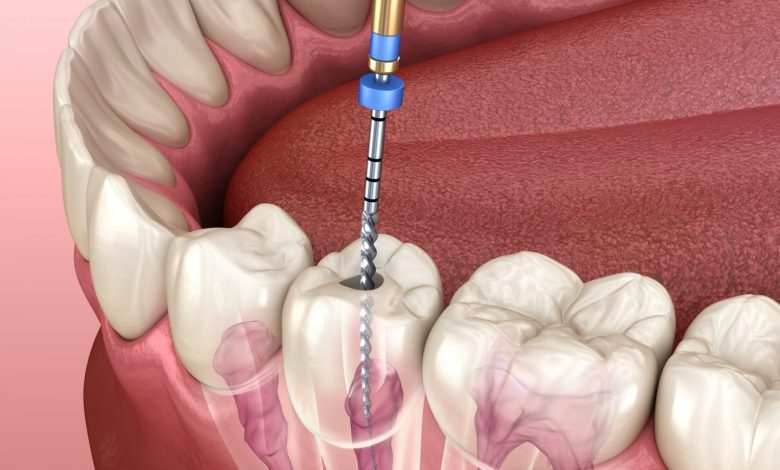
A root canal isn’t the intimidating procedure it’s often made out to be. It involves removing the infected pulp, cleaning out the canal, and sealing the tooth to prevent further infection, usually followed by a crown to restore its strength. Most patients are surprised by how manageable the procedure actually feels compared to the pain that led them there in the first place.
At Iridia Dental, root canal treatment is handled with a strong focus on precision and comfort, led by the best dentist in Lower Parel, Dr. Kulsum Husain, whose approach prioritises saving the natural tooth wherever possible rather than jumping straight to extraction. This is supported by their broader restorative and biomimetic dentistry philosophy, which focuses on conservative, long-term solutions. If you’re curious about what the procedure actually involves step by step, it’s worth reading through what a root canal treatment really looks like before your appointment, so there are no surprises going in.
Don’t Wait for the Pain to Become Unbearable
Tooth pain is rarely something that fixes itself, and the symptoms above are your body’s way of flagging a problem before it turns into something more serious. If you’ve noticed even one or two of these signs, it’s worth getting it checked rather than waiting for the pain to become unbearable.
If you’re dealing with persistent tooth pain and think it might be time for root canal treatment in Lower Parel, getting an early evaluation is the simplest way to find out for sure, and often the easiest way to avoid a more complicated procedure later.
FAQs
Is a root canal painful?
Modern root canal treatment is done under local anaesthesia and is generally no more uncomfortable than getting a filling. Most of the pain people associate with root canals actually comes from the infection itself, not the treatment.
How do I know if my tooth pain needs a root canal or just a filling?
A filling is usually enough for a smaller cavity that hasn’t reached the nerve. Persistent pain, sensitivity to temperature, or swelling around the tooth typically indicates the infection has gone deeper, requiring a root canal instead.
What happens if I ignore the signs and delay treatment?
The infection can spread further, potentially leading to a more painful abscess, bone loss around the tooth, or in severe cases, loss of the tooth altogether.
How long does a root canal procedure usually take?
Most root canals can be completed in one to two visits, though the exact time depends on the tooth’s location and the complexity of the infection.
Can a tooth that’s had a root canal get infected again?
It’s uncommon but possible if the seal is compromised or a new cavity develops. Regular check-ups help catch this early before it becomes a bigger issue.