Dental Care Demystified: A Sophisticated Guide to Lifelong Oral Wellness

Introduction: A Window Into Your Health
Dental care is more than brushing your teeth and scheduling the occasional check-up. It is an integral part of a healthy lifestyle, deeply intertwined with your overall well-being. A clean, confident smile isn’t merely cosmetic—it’s a signpost of inner vitality. From the foods we eat to the stress we manage, every choice we make influences the health of our mouths, often more than we realize. Yet, many still underestimate the importance of dental care, treating it as an afterthought rather than a priority. It’s time to change that narrative.
The Hidden Power of the Mouth
Your mouth is a gateway—not just to your digestive system but to your body as a whole. Bacteria residing in your mouth can enter the bloodstream through inflamed gums, making their way to vital organs. Research has shown strong correlations between oral health and conditions such as heart disease, diabetes, respiratory infections, and even cognitive decline. It’s not just about cavities or fresh breath—your mouth often sounds the earliest alarms of deeper systemic issues.
Fundamentals of Impeccable Dental Hygiene
Maintaining excellent oral health isn’t complex, but it does require consistency and a bit of mindfulness. When approached thoughtfully, dental care becomes an empowering daily ritual rather than a chore.
Core Habits for Lasting Oral Health:
-
Brush Twice Daily: Use a soft-bristled toothbrush and fluoride toothpaste. Gentle circular motions are more effective than aggressive scrubbing.
-
Floss Once a Day: No shortcuts here. Flossing removes plaque and food particles from areas your toothbrush simply can’t reach.
-
Rinse With Purpose: A fluoride or antibacterial mouthwash can help reduce plaque, control bacteria, and strengthen enamel.
-
Mind Your Diet: Sugary snacks and acidic beverages can erode enamel and feed harmful bacteria. Opt for fiber-rich vegetables, dairy, and water.
-
Visit the Dentist Regularly: Twice-a-year dental check-ups ensure early detection of problems and provide professional cleaning your toothbrush can’t match.
Together, these steps form the architecture of lasting dental wellness.
Common Dental Ailments—and How to Stay Ahead of Them
While dental issues may seem commonplace, they’re often preventable. Recognizing the early signs and understanding the underlying causes can make all the difference.
Leading Dental Concerns:
-
Tooth Decay: Caused by acids produced from sugars interacting with bacteria. Early stages may not hurt but can progress quickly if ignored.
-
Gum Disease: Begins with gingivitis—swollen, bleeding gums—and can escalate into periodontitis, which damages the jawbone and causes tooth loss.
-
Tooth Sensitivity: Triggered by hot, cold, or sweet stimuli, often due to worn enamel or exposed roots.
-
Bad Breath (Halitosis): Typically a result of bacterial build-up, but may also indicate deeper issues like infections or dry mouth.
-
Oral Cancers: Unexplained sores, lumps, or discolored patches that persist for more than two weeks should always be examined by a professional.
Prevention is always preferable to treatment. When dental care is prioritized daily, these issues become far less frequent—and far less serious.
Age-Specific Dental Strategies
Oral care isn’t static. Our needs evolve with time, and so should our approach to dental hygiene. A tailored perspective ensures optimal care at every stage of life.
For Children:
-
Begin dental visits by age one
-
Encourage brushing with a pea-sized amount of fluoride toothpaste
-
Avoid sugary snacks and juices, especially before bedtime
For Teenagers:
-
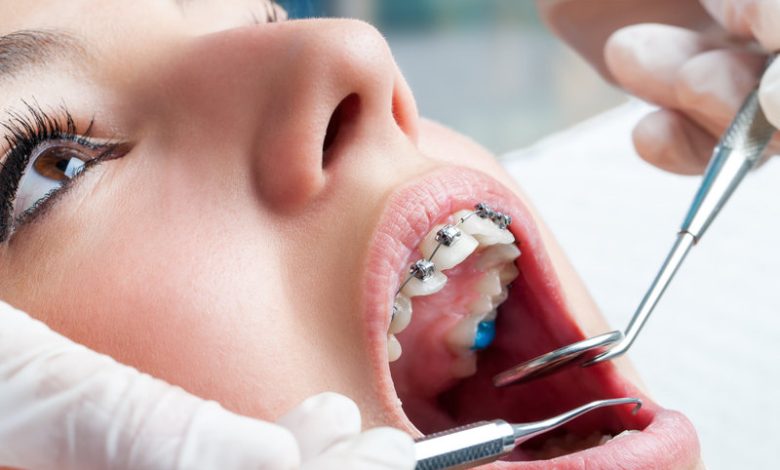
Monitor orthodontic needs
-
Encourage independence in oral hygiene routines
-
Address habits like soda consumption and sports injuries to teeth
For Adults:
-
Be vigilant about gum health
-
Manage stress-related conditions such as teeth grinding (bruxism)
-
Continue preventive care and stay updated on dental technologies
For Seniors:
-
Address dry mouth, often caused by medications
-
Consider the impact of other health conditions on oral wellness
-
Ensure that dentures and implants are well-fitted and properly maintained
Each age presents both challenges and opportunities. A flexible, personalized approach helps meet them with grace and precision.
The Psychological Edge of a Healthy Smile
A radiant smile is not simply about aesthetics—it’s about confidence, self-expression, and the ability to connect. Studies have shown that individuals who are confident in their smiles are perceived as more trustworthy, approachable, and successful. Conversely, dental insecurities can result in social withdrawal, diminished self-esteem, and even professional limitations.
This psychological impact is particularly evident in younger populations, where peer dynamics are often unforgiving, and in adults navigating professional or romantic relationships. Cosmetic dentistry, when needed, plays a restorative role—not just for appearance, but for identity and self-worth.
Technology and the Modern Dental Experience
Gone are the days when dental care was synonymous with fear and discomfort. Today’s dental landscape is sophisticated, minimally invasive, and patient-focused.
Notable Innovations:
-
Digital Imaging: Offers accurate, fast diagnostics with less radiation
-
Laser Dentistry: Enables precise treatments with faster healing and less pain
-
3D Printing: Used for crowns, bridges, and even clear aligners with remarkable speed and accuracy
-
Teledentistry: Brings expert advice and consultation to your screen, expanding access and convenience
These advancements not only improve outcomes but also make dental care more accessible and pleasant, shifting perceptions and reducing anxiety.
Dental Wellness as a Financial Strategy
Delaying or avoiding dental visits may seem like a cost-saving decision in the short term, but the long-term implications can be expensive and painful. Preventive care, by contrast, is remarkably affordable and highly effective. A routine cleaning and check-up may cost a fraction of a crown, root canal, or emergency intervention.
Think of dental care as an insurance policy for your mouth—small, regular investments that protect against substantial future losses.
Conclusion: A Legacy of Care and Confidence
Dental care is not simply about teeth. It is about health, grace, confidence, and self-respect. It reflects how we value ourselves and how we present ourselves to the world. From daily brushing to biannual dental visits, from nutrition to mindfulness, the way we care for our mouths reveals so much about how we care for our lives.
Let dental care be more than a routine. Let it be a refined, intentional practice—an elegant ritual that speaks volumes about who you are and what you value. Because behind every healthy smile lies a story of diligence, wisdom, and self-love.