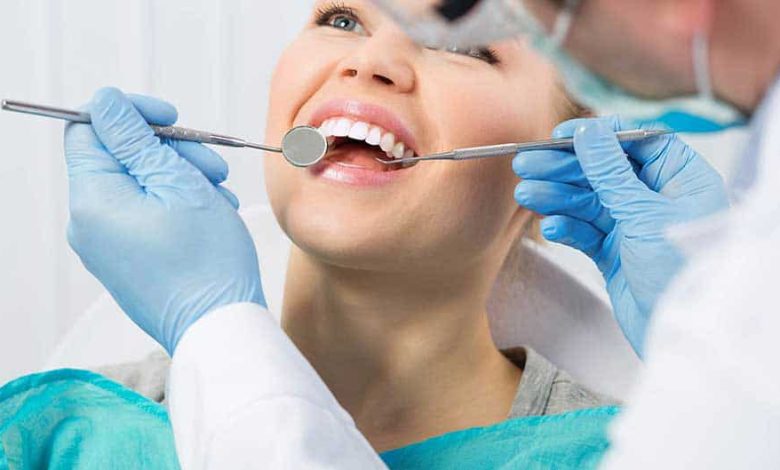
A healthy smile starts with the right foundation and that foundation begins with general dentistry. As the bedrock of oral healthcare, general dentistry covers the fundamental services that keep teeth, gums, and mouth in tip-top shape. From routine examinations and cleanings to protective care and early treatment of common dental problems, it provides the understandings and solutions necessary to maintain a confident, enduring smile.
The Cornerstones of General Dentistry
What Sets General Dentistry Apart?
General dentistry acts as the groundwork for comprehensive oral health, encompassing a wide-ranging series of services intended to prevent, diagnose, and treat dental issues. Unlike specialists who focus on a narrow part of dental care, general dentists are trained to deliver holistic dental services that address the needs of patients from children to adults. This includes protective dentistry, restorative procedures, aesthetic enhancements, and emergency care. The general dentist’s goal is to establish a long-term relationship with patients, ensuring they receive personalized care tailored to their unique dental needs. Furthermore, a significant part of general dentistry involves educating patients about their oral health, helping them make informed decisions that promote overall wellness.
Preventive dentistry is the cornerstone of routine dental care and crucial for avoiding severe issues down the road. Regular check-ups, cleanings, and screenings help identify problems before they worsen into costlier and more complex situations. During standard check-ups, dentists perform comprehensive exams of teeth, gums, and oral tissues, using tools like X-rays to detect cavities, periodontal disease, and other irregularities invisible to the untrained eye. With prompt treatment, intervention can be far less invasive and expensive. Moreover, general practitioners emphasize patients implementing preventive practices at home daily, including brushing twice and flossing routinely. This proactive strategy not only protects tooth structure but also plays a pivotal role in overall health, as research links deficient oral hygiene to systemic diseases.
How Regular Check-Ups Can Save Money in the Long Run
Investing in routine dental checkups leads to substantial financial savings long-term. While some view these appointments as an unnecessary cost, reality shows they prevent larger, costlier procedures caused by untreated decay. For instance, a common cleaning often costs much less than a root canal or crown required to salvage a tooth affected by untreated decay. Regular checkups allow dentists to identify early signs of conditions like gum disease or cavities, ensuring issues are addressed before worsening. Additionally, many dental plans cover preventive care costs, making it accessible and financially sensible. By committing to a regular six-month schedule of dental visits, patients can maintain oral health, enhance quality of life, and avoid unexpected financial burdens associated with severe dental treatments. Advanced techniques in cavity repair and transformative treatments ranging from fillings to crowns enable preservation of natural teeth at reasonable prices.
When it comes to cavity repair, advances in general dentistry have dramatically altered conventional treatment methods. Traditional approaches regularly involved intensive drilling and filling, a process that could heighten anxiety and unease among patients. However, modern techniques—such as laser dentistry—have revolutionized how cavities are addressed. Lasers are now utilized to precisely remove decayed material, minimizing impact on surrounding healthy enamel and substantially accelerating recovery. Post-procedure distress is often reduced, and numerous patients report a more positive experience overall. Furthermore, the materials applied for fillings have evolved. Dentists may opt for composite resins that match the natural coloring of teeth, offering a more aesthetically pleasing appearance compared to amalgam fillings. Educating patients on cavity avoidance and early intervention remains a priority, allowing for a more preservation-focused approach to dental care.
Challenging Misconceptions about Root Canals
Root canals have developed a reputation that regularly deters individuals from pursuing necessary dental care. Common myths, including the notion that root canals are incredibly agonizing, are frequently perpetuated through cultural anecdotes and misunderstanding. However, a root canal procedure is intended to alleviate distress caused by an infected tooth pulp. Modern methods and anesthesia have significantly enhanced comfort during the operation. Dentists employ advanced imaging and technology to locate infected roots and effectively clean and seal them, confirming the tooth’s health is restored. Post-treatment discomfort is generally manageable with over-the-counter pain relievers. Moreover, protecting a natural tooth through root canal therapy can maintain proper chewing function and aesthetics, rendering it a vital alternative to extraction. Enlightening initiatives by dental experts aim to challenge myths pertaining to root canals, supporting informed choices in dental care.
Restorative Solutions: Bridges, Implants, and More
Missing or damaged teeth significantly impact one’s quality of life, yet restorative dentistry presents a variety of tailored solutions. Dental bridges have long offered a tested approach for replacing missing teeth by linking adjacent healthy ones. Meanwhile, dental implants have emerged as a revolutionary permanent alternative, providing replacement teeth atop a sturdy simulated root that may curb bone loss from lost teeth. While implants take longer, their durability and aesthetics often impress. Additionally, partial and full dentures remain practical options to suit various tooth loss severities. A dentist consultation determines the most suitable restorative path aligned with one’s long-term oral health goals, ensuring customized treatment for each unique situation.
Technological Advancements Elevate Patient Care
The cutting edge continuously transforms general dentistry, elevating care through heightened precision and comfort. Digital X-rays drastically decrease radiation exposure while enabling prompt diagnostics from visible images. Three-dimensional imaging allows visualizing complex structures, improving treatment planning. Intraoral cameras provide detailed mouth views, facilitating better communication and education on conditions. Furthermore, advanced materials result in longer-lasting, more attractive fillings, crowns, and prosthetics. Integrating such technologies not only strengthens dentists’ clinical abilities but also enhances patients’ experiences through transparency imparted via new treatment clarity, which may relieve anxieties.
Teledentistry: An Innovative Solution for Accessible Care
Teledentistry has revolutionized dental care through innovative applications of digital technology, increasing patient access and convenience like never before. This remote consultation model allows dentists to conduct preliminary examinations and evaluations via video without requiring an in-person visit, permitting those with mobility challenges, living in rural regions, or seeking to minimize exposure during uncertain times to still receive needed care. General practitioners are empowered through teledentistry to provide ongoing care, educate patients on proper oral hygiene techniques, and skillfully address minor emergencies. Far from just streamlining services, this pioneering method meaningfully reduces the barriers of time and travel that have traditionally prevented some from obtaining essential dental services, fostering improved treatment adherence.
Sustainability in Dentistry: Practices Adopting Eco-Friendly Strategies
As environmental stewardship rises in priority, forward-thinking dental offices are implementing sustainable practices to shrink their carbon footprint. Such initiatives span waste management to sourcing of materials, exemplified through biodegradable alternatives to disposable items like gloves and suction devices that lessen landfill waste. Others tap solar energy to run equipment and facilities while curbing dependence on traditional power sources. Digital records further optimize operations through paperless convenience and enhanced security of patient data. By committing to sustainability, practices not only boost their community standing but align with the growing values of informed consumers who increasingly demand earth-conscious services.
Expert Oral Care Recommendations: Tips for a Healthy Smile
Mastering Effective Brushing and Flossing Techniques
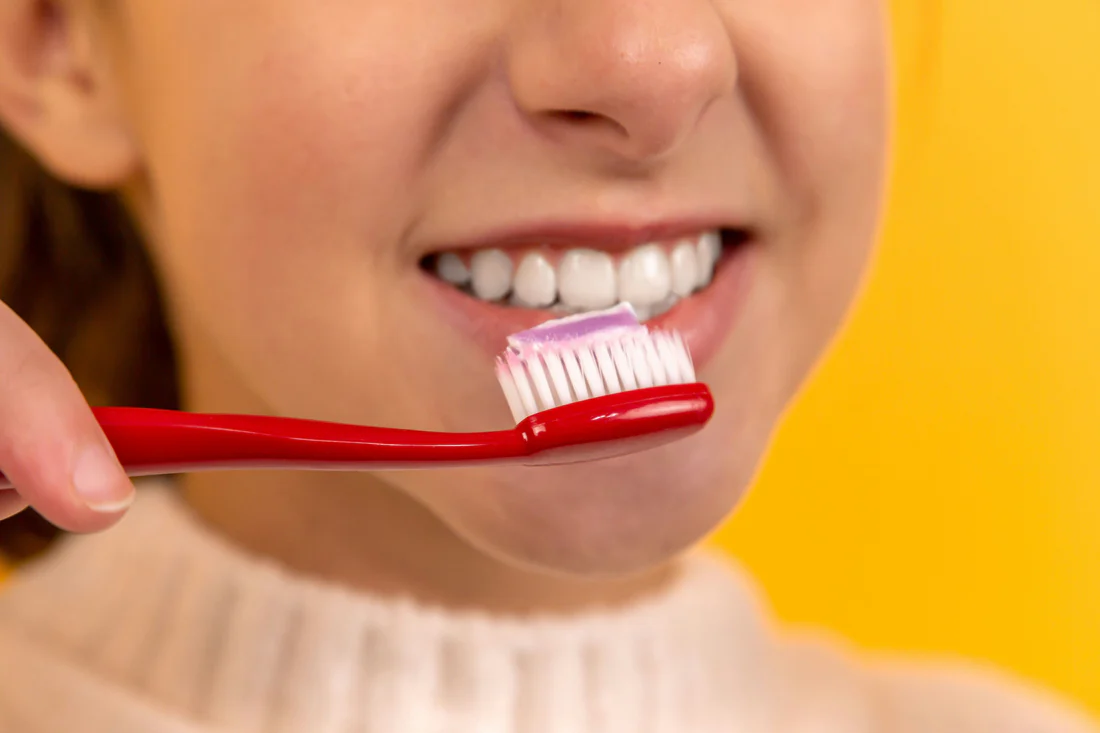
Mastering proper brushing and flossing techniques is essential for achieving optimal oral hygiene. Dentists counsel brushing at minimum twice daily employing fluoride toothpaste to successfully remove plaque—a buildup of microbes that contributes to cavities in addition to gum disease. Technique is significant: a delicate circular motion is preferable to aggressive scrubbing, which could cause gum inflammation and damage enamel. Regarding flossing, numerous people neglect this important step. Flossing removes particles and plaque between teeth, where toothbrush bristles might not attain. It is advisable to use roughly 18 inches of floss, winding it around the center fingers and utilizing a gentle sawing motion against the sides of the teeth. For people with braces or under exceptional circumstances, interdental brushes or water flossers can serve as effective options. In the end, cultivating these habits aids construct a strong foundation for long-lasting oral health.
The foods we consume play a pivotal role in our dental well-being. A diet high in sugar can lead to the proliferation of harmful bacteria in the mouth, which contributes to tooth decay. Incorporating dairy products rich in calcium, like cheese and yogurt, can promote stronger enamel and provide essential nutrients for oral health. Additionally, crunchy fruits and vegetables, such as apples and carrots, serve a dual purpose: they cleanse the teeth as you chew while providing vitamins and fibers crucial for overall wellness. Hydration also plays a vital role—water not only washes away food particles and bacteria but the fluoride often present in tap water helps to remineralize enamel. Moreover, it’s prudent to moderate acidic foods and beverages, as they can erode tooth enamel over time. Being mindful about dietary choices equips patients to consistently support their oral health.
The Psychological Benefits of a Healthy Smile
The profound psychological benefits of upholding oral health cannot be overstated, greatly influencing one’s self-esteem and complete mental well-being. Possessing a healthy, radiant smile can boost self-assurance, contributing significantly to social interactions and personal identity. Studies have shown the act of smiling releases endorphins that enhance mood and mitigate stress, fostering sensations of joy. Furthermore, research reveals individuals with aesthetically pleasing smiles may be perceived as more approachable and successful, positively impacting professional and personal relationships. In contrast, people struggling with dental problems may undergo feelings of embarrassment or self-consciousness. As such, obtaining and preserving optimal dental care surpasses physicality; it is inextricably linked to psychological wellness. General dentistry plays a pivotal role in empowering individuals to achieve this harmony between oral health and overall self-assurance.