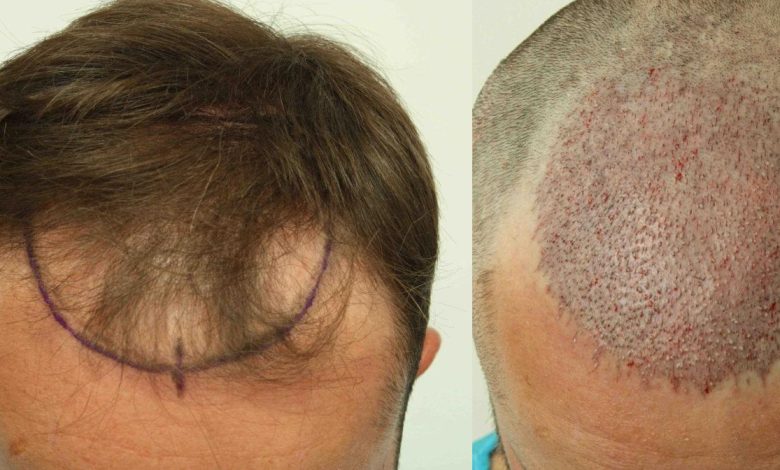
Deciding to undergo a hair transplant is a significant step towards addressing hair loss. Understanding the process from beginning to end helps manage expectations and ensures a smoother experience. The procedure involves several stages, from the initial consultation to the final results, each with its own set of guidelines and recovery milestones.
Preparing for a hair transplant in Thailand involves a detailed consultation with a specialist. During this meeting, the surgeon will assess your hair loss pattern, discuss your goals, and determine your suitability for the procedure. For anyone considering a hair transplant Bangkok clinics offer various modern techniques, and your specialist will recommend the most appropriate one for you. This is also the time to ask questions and receive pre-operative instructions, which may include avoiding certain medications and alcohol.
On the day of the procedure, the process is straightforward but requires precision. It is performed under local anesthesia, so you will be awake but comfortable. The length of the session depends on the number of grafts being transplanted. Knowing what to anticipate during the procedure itself can help reduce any anxiety and prepare you for the recovery period that follows.
The Initial Recovery Phase
Immediately after the procedure, the scalp will be tender, and you may experience some swelling and redness in both the donor and recipient areas. Clinics provide detailed post-operative care instructions, which are important to follow closely. These typically include advice on how to sleep with your head elevated to minimize swelling and how to gently wash your hair after a few days.
During the first week, small scabs will form around each transplanted graft. It is essential not to pick at these scabs, as they protect the new follicles. They will naturally fall off within about one to two weeks. Some patients also experience a temporary phase known as “shock loss,” where some of the transplanted hairs fall out. This is a normal part of the cycle, and it makes way for new, permanent hair to grow.
Months 3-6: The Beginning of New Growth
Patience is required in the months following a hair transplant. The most exciting developments usually begin around the third or fourth month. At this stage, you will start to see the first signs of new hair sprouting from the transplanted follicles. Initially, these hairs may be fine and thin, but they will gradually become thicker and fuller over time.
By the six-month mark, most patients can see a noticeable improvement in hair density. The new hair will be long enough to be styled, and the overall appearance of the transplant area will look much fuller. The growth is gradual, which allows for a natural and subtle transformation. This period is often when people start to feel a real boost in their confidence as the results become more apparent.
The Final Outcome
The full results of a hair transplant are typically visible after 12 to 18 months. By this time, the transplanted hair has had a chance to mature completely, reaching its full thickness and length. The final look should be a natural-looking head of hair that blends seamlessly with your existing hair.
The transplanted hairs are permanent and can be washed, cut, and styled just like the rest of your hair. Following the procedure, it is important to maintain a healthy lifestyle and follow any long-term hair care advice provided by your clinic to support the health of both your native and transplanted hair. The outcome is a lasting solution that can positively affect your appearance and self-esteem.