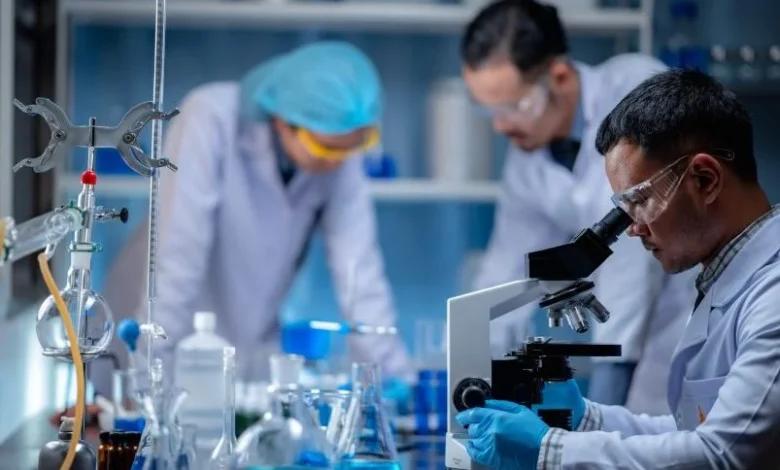
Introduction: Medicine as More Than Just Healing
Medicine, at its core, is the noble pursuit of understanding, alleviating, and preventing human suffering. It is a field grounded in rigorous science yet deeply entwined with empathy, ethics, and human connection. From ancient herbal remedies to cutting-edge genomic therapies, medicine has evolved alongside civilization itself, constantly reshaping its identity to meet the challenges of the age. In the 21st century, we stand at the intersection of tradition and technology, where the physician’s touch meets artificial intelligence, and ancient wisdom merges with precision science.
The Historical Tapestry of Medical Practice
To truly appreciate modern medicine, one must explore its origins. Early civilizations—such as those in Egypt, India, China, and Mesopotamia—laid the groundwork for medical theory and practice. In these ancient societies, disease was often seen as a spiritual imbalance or divine punishment, and treatments combined ritual with rudimentary surgical techniques and plant-based therapies.
Hippocrates, the “Father of Medicine,” shifted the paradigm in ancient Greece by advocating for observation and reasoning in diagnosing illness. His emphasis on natural causes over supernatural explanations laid the philosophical foundation for Western medicine. The Hippocratic Oath, still relevant today, underscores the enduring moral framework within which medicine operates.
In the Middle Ages, Islamic scholars such as Avicenna translated and expanded upon Greco-Roman texts, creating encyclopedic works like The Canon of Medicine, which guided practitioners across cultures for centuries. The Renaissance ushered in a more empirical approach, as anatomical studies and dissection became central to medical education. It wasn’t until the 19th and 20th centuries, however, that medicine transformed into the science-driven discipline we recognize today—marked by germ theory, vaccines, antibiotics, and the birth of modern surgery.
Modern Medicine: A Symphony of Science and Technology
The contemporary landscape of medicine is characterized by its integration of advanced technology, evidence-based practice, and a patient-centered ethos. Scientific discoveries—once confined to laboratories—are now translated with unprecedented speed into clinical applications.
Some hallmarks of modern medicine include:
-
Precision Medicine: By analyzing a patient’s genetic makeup, physicians can tailor treatments to maximize effectiveness and minimize side effects. This personalized approach is particularly transformative in oncology, where therapies can target specific mutations in cancer cells.
-
Telemedicine: Remote consultations have revolutionized access to care, especially in underserved or rural communities. Digital platforms allow real-time communication between patients and doctors, breaking down geographical barriers.
-
Artificial Intelligence and Machine Learning: These technologies enhance diagnostic accuracy, predict disease progression, and streamline administrative tasks. Algorithms can analyze imaging, pathology reports, and patient histories faster than any human, providing invaluable support to clinicians.
-
Regenerative Medicine: Stem cell research and tissue engineering hold the promise of repairing or even regenerating damaged organs and tissues. What was once the domain of science fiction is now an emerging reality.
Challenges in Contemporary Medical Practice
Despite its achievements, modern medicine faces a series of complex challenges. The physician’s role is not only to heal but also to navigate a rapidly shifting ethical and social landscape.
-
Overreliance on Technology: While digital tools enhance efficiency, they also risk dehumanizing the patient-doctor relationship. Striking the right balance between clinical data and compassionate care remains a central concern.
-
Health Inequities: Access to quality healthcare is far from universal. Socioeconomic factors, racial disparities, and geographic limitations continue to dictate outcomes for many populations worldwide.
-
Antimicrobial Resistance: The overuse of antibiotics has led to the rise of “superbugs”—bacteria resistant to multiple drugs. This growing threat could render previously treatable infections deadly once more.
-
Mental Health Crisis: The rise in psychological disorders—exacerbated by social media, economic pressures, and global uncertainty—demands a more integrated and compassionate approach to mental health care.
The Human Side of Medicine
Beyond its clinical and technological dimensions, medicine remains a profoundly human endeavor. It is a dialogue between healer and sufferer, grounded in trust, communication, and empathy. The best physicians are not merely diagnosticians but listeners, educators, and advocates.
Medical ethics plays a vital role in preserving this human element. The principles of autonomy, beneficence, non-maleficence, and justice guide every therapeutic decision. They serve as a moral compass amid the complex choices that modern medicine demands—from end-of-life care to genetic editing.
Furthermore, the patient narrative has gained recognition as a crucial component of diagnosis and treatment. The stories patients tell—their fears, hopes, and lived experiences—often reveal more than any scan or test result. This holistic view of care fosters greater adherence to treatment and deeper healing.
Looking Ahead: The Future of Medicine
The future of medicine is both exhilarating and unpredictable. Breakthroughs in nanotechnology, quantum computing, and space medicine hint at a world where diseases may be diagnosed and treated before symptoms even emerge. Yet, the true measure of progress will not be the sophistication of our tools, but the extent to which we preserve the dignity of those we serve.
-
Global Collaboration: International cooperation, as seen during the COVID-19 pandemic, has proven essential in addressing health crises. Shared research and open communication are now integral to global health initiatives.
-
Sustainable Healthcare: Environmental health and medicine are increasingly interlinked. Climate change affects disease patterns, water quality, and food security. Physicians are beginning to advocate for eco-conscious practices in healthcare delivery.
-
Medical Education Reform: New pedagogical models emphasize emotional intelligence, cultural competence, and interprofessional collaboration. The physicians of tomorrow are being trained not only to think critically but to feel deeply.
Conclusion: Medicine as a Lifelong Mission
Medicine is not a static body of knowledge but a living, breathing vocation. It evolves with society, responds to its wounds, and aspires always toward greater understanding and compassion. While science gives it structure, it is the human heart that gives it soul. To practice medicine is to walk a path of lifelong learning, humility, and service—a journey that binds together intellect and empathy in pursuit of healing.
In the final analysis, medicine is not only about curing disease. It is about affirming life.