Introduction: Beyond Luxury—The True Essence of a Spa
The word “spa” often evokes images of luxurious settings, softly lit rooms scented with lavender, and the gentle trickle of water. While this tranquil imagery holds true, the modern spa is far more than a venue for pampering. It has evolved into a multifaceted sanctuary that caters to physical wellness, emotional balance, and spiritual rejuvenation. In a world increasingly marked by relentless pace and digital overload, the spa offers not mere indulgence but meaningful retreat—a return to stillness, healing, and wholeness.
The Origins of Spa Culture: A Historical Perspective
The concept of the spa has ancient roots, deeply embedded in human history. The term is believed to originate from the town of Spa in Belgium, renowned since Roman times for its mineral-rich springs. The Romans, early advocates of holistic wellness, constructed elaborate bathhouses across their empire, viewing communal bathing as essential to both hygiene and civic life. Similarly, in Japan, onsen (hot spring baths) have been part of cultural tradition for centuries, offering purification rituals tied to Shinto beliefs.
In medieval Europe, spas were considered therapeutic destinations, where the ill and weary would seek cures through hydrotherapy and herbal treatments. The 19th and early 20th centuries saw a proliferation of grand spa towns—Baden-Baden, Bath, Vichy—where the elite flocked to restore health and social status. Today’s spa industry, while rooted in these historical traditions, reflects a more inclusive and scientifically informed approach, merging ancient wisdom with modern wellness science.
The Spa Experience: A Symphony of the Senses
A truly remarkable spa experience is one that harmonizes the senses while addressing the needs of the body and psyche. The architecture, scents, textures, and even sounds within a spa are meticulously designed to foster calm. Yet beyond aesthetics, what defines a quality spa is its approach to healing.
Core elements of a modern spa experience typically include:
-
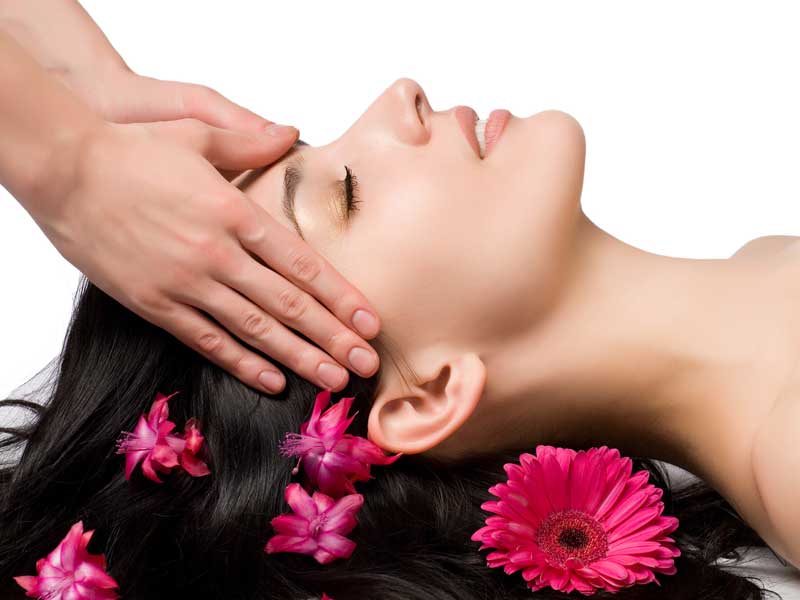
Massage Therapy: From Swedish and deep tissue to Thai and reflexology, massage remains a cornerstone, promoting circulation, relieving muscle tension, and reducing stress hormones
-
Hydrotherapy: Thermal pools, steam baths, saunas, and cold plunges activate circulation, enhance detoxification, and boost immunity
-
Skincare and Aesthetic Treatments: Facials, body scrubs, and wraps often use natural, nutrient-rich ingredients like algae, clay, or essential oils to nourish the skin and stimulate cellular renewal
-
Mindfulness Practices: Many spas now incorporate guided meditation, yoga, or breathing exercises to support mental clarity and emotional resilience
-
Nutrition and Holistic Consultations: Some wellness-focused spas offer dietary assessments, herbal medicine consultations, or personalized detox programs for a more integrative experience
Types of Spas: Tailored Retreats for Every Lifestyle
The global spa industry has diversified significantly, with a wide range of offerings catering to different preferences, goals, and lifestyles. Understanding these categories helps distinguish between a casual indulgence and a profound wellness journey.
-
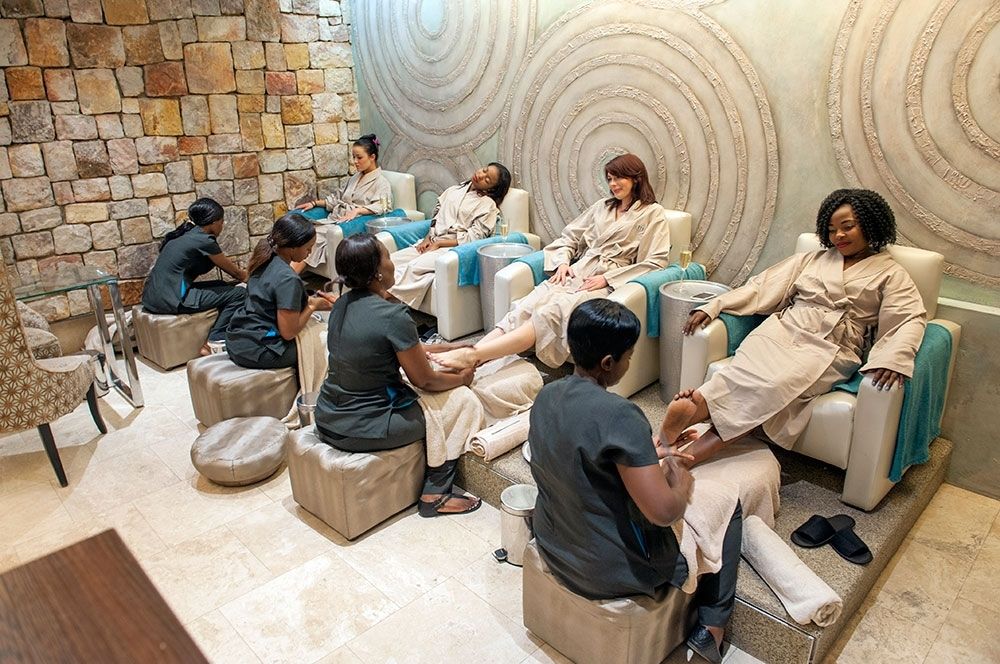
Day Spas: Convenient, accessible, and perfect for quick rejuvenation, day spas offer an array of treatments—typically without accommodation—suitable for individuals seeking a brief escape
-
Resort and Hotel Spas: Embedded within hospitality venues, these spas blend vacation with wellness, often providing tailored programs alongside traditional treatments
-
Destination Spas: Purpose-built for holistic transformation, these retreats focus on long-term wellness, featuring structured programs that may include fitness, diet, mindfulness, and medical diagnostics
-
Medical Spas: Bridging the gap between aesthetics and healthcare, medical spas offer procedures under the supervision of licensed professionals—ranging from chemical peels to laser treatments and injectables
-
Thermal/Mineral Spring Spas: Located near natural hot springs or mineral waters, these spas leverage nature’s therapeutic power for hydrotherapy treatments steeped in tradition
The Science Behind the Serenity: Proven Benefits of Spa Therapy
Though spas are often dismissed as luxurious or superficial, research increasingly supports their efficacy in enhancing health and well-being. The physiological effects of spa treatments are measurable and meaningful.
-
Stress Reduction: Spa therapies have been shown to lower cortisol levels, reduce heart rate, and enhance mood through the activation of the parasympathetic nervous system
-
Improved Sleep: Regular massage and hydrotherapy can improve sleep quality by easing muscle tension and supporting melatonin production
-
Pain Management: Therapies like deep tissue massage and warm hydrotherapy are proven to alleviate chronic pain, particularly in conditions such as arthritis, fibromyalgia, and lower back disorders
-
Enhanced Skin Health: Facials and body treatments help detoxify pores, improve elasticity, and stimulate collagen production, resulting in visibly healthier skin
-
Boosted Immunity: Certain treatments stimulate lymphatic drainage and enhance immune function, particularly when combined with healthy diet and relaxation techniques
Spa Culture and the Rise of Preventive Wellness
One of the most promising aspects of the contemporary spa movement is its alignment with preventive medicine. As societies grapple with the burdens of stress-related illness, lifestyle diseases, and mental health crises, spas serve not as escapes from life but as tools for better living. Wellness is no longer reactive—it is proactive, and spa culture is playing an instrumental role in that shift.
Today’s discerning spa-goers are not merely seeking beauty or relaxation. They are seeking renewal. They want therapies that support longevity, resilience, and vitality. They crave environments that foster self-awareness, and they expect services rooted in evidence, not just ambiance. This cultural evolution reflects a broader, more enlightened understanding of health—one that is personal, multidimensional, and deeply connected to lifestyle.
Conclusion: The Spa as a Reflection of Self-Care and Modern Wisdom
In an era marked by overconnectivity, relentless productivity, and mounting emotional fatigue, the spa stands as a rare oasis—a place where quiet is not only permitted but encouraged, where slowing down is not a weakness but a necessity. Far from a frivolous luxury, the spa represents an intentional act of self-care, a choice to restore balance, recalibrate the senses, and reclaim a sense of centeredness.
As we continue to redefine what it means to live well, the spa will remain a vital part of that conversation—not simply a place to be pampered, but a space where one is reminded of the power of stillness, the importance of touch, and the profound value of tending to the self with grace and awareness. In its highest form, the spa is not an escape from life, but a meaningful return to it.