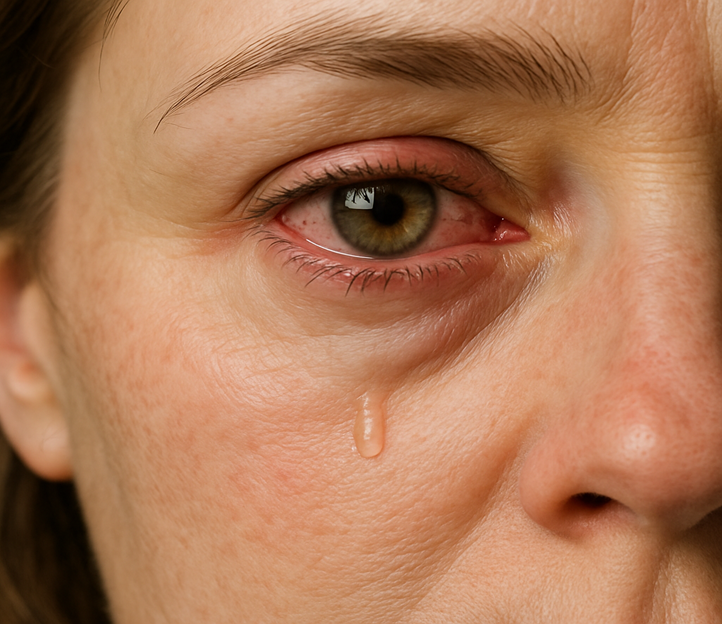
When “Just Dry Eyes” Is a Sign of Something More
If your eyes feel dry, itchy, or gritty by midday, you’re not alone. Millions of people struggle with dry eyes—and for most, the go-to solution is simple: grab a bottle of over-the-counter eye drops and move on.
But what if that constant irritation isn’t just an inconvenience? What if it’s a signal?
In functional medicine, symptoms are seen not as isolated problems, but as the body’s way of communicating that something deeper may be off balance. And dry eyes, often brushed off as a minor annoyance, can be an early clue in a much larger story—one that involves hormones, inflammation, gut health, hydration, and immune function.
Rather than treating the eyes as separate from the rest of the body, a holistic approach asks: Why are the eyes dry in the first place? And what other systems might be involved?
In this article, we’ll explore the root causes of chronic dry eyes, why your symptoms might be more than skin deep, and how integrative vision care can help reveal—and resolve—the underlying issue.
Dry Eye Basics – What’s Actually Happening on the Surface
At first glance, dry eyes seem simple: your eyes feel irritated, scratchy, or blurry—especially at the end of the day or after long hours on a screen. But behind that discomfort is a surprisingly intricate system.
A healthy tear film isn’t just water. It’s a delicate, three-layered blend of:
- Oil (lipid layer): Prevents evaporation
- Water (aqueous layer): Hydrates the eye’s surface
- Mucin (mucus layer): Helps tears spread evenly across the cornea
When one of these layers becomes imbalanced—whether due to gland dysfunction, inflammation, or environmental triggers—your eyes can’t maintain proper lubrication. That leads to common symptoms like:
- A burning or stinging sensation
- A feeling like there’s sand or grit in your eyes
- Redness, blurred vision, or light sensitivity
- Reflex tearing (ironically, your eyes may water more as they overcompensate)
Many people treat dry eyes topically—with drops, gels, or ointments—and while those can offer temporary relief, they don’t always solve the problem. That’s because dryness on the surface is often a downstream effect of deeper imbalances in the body.
Understanding what’s happening at the surface is important. But to truly address chronic dry eyes, we have to look beyond the eye itself—and start asking what’s driving the dysfunction underneath.
The Hidden Root Causes Behind Chronic Dry Eyes
Dry eyes are rarely just about the eyes. In functional medicine, we look upstream—to the systems that support hydration, inflammation regulation, and hormonal balance.
Common (and Overlooked) Causes of Chronic Dry Eye
Autoimmune Activity (e.g., Sjögren’s, Lupus, RA)
Autoimmune conditions often target the body’s moisture-producing glands—including those responsible for tear production. In Sjögren’s syndrome, for example, dry eyes may appear long before a formal diagnosis. Eye inflammation, redness, or even sensitivity to light can all be early signs of immune dysfunction at play.
Thyroid Imbalance (Especially Graves’ or Hypothyroid)
The thyroid directly influences tear production, eyelid function, and eye pressure. In hypothyroidism, sluggish tear glands may lead to dryness. In hyperthyroid conditions like Graves’ disease, bulging eyes and inflammation often cause chronic discomfort and surface irritation.
Hormonal Fluctuations (Menopause, Estrogen Decline)
Estrogen plays a key role in maintaining healthy tear film. When levels drop—as they often do during perimenopause or menopause—tear quality can suffer. Many women report a sudden onset of dry eye symptoms around midlife, often misattributed to age or stress.
Gut Dysbiosis & Nutrient Malabsorption
The gut and eyes may seem worlds apart, but they’re closely linked. Poor gut health can limit absorption of key nutrients like vitamin A, omega-3 fatty acids, and zinc—all essential for tear production and ocular surface repair. Chronic inflammation in the gut also contributes to systemic dryness and irritation.
Dehydration and Adrenal Fatigue
When you’re chronically dehydrated—or experiencing adrenal imbalances that affect aldosterone and fluid regulation—tear production can drop. Many people with “tired eyes” or blurry vision by late afternoon are actually showing signs of low fluid intake or stress-related endocrine shifts.
Understanding these deeper causes turns a frustrating symptom into a powerful clue—and helps guide more effective, lasting solutions.
Why a Functional Eye Exam Makes the Difference
If dry eyes are part of a bigger picture, your eye exam should be too.
Traditional vision tests often stop at assessing how well you can read a chart or whether your eyes look irritated. But a functional eye exam goes further. It evaluates how your eyes are working in the context of your whole-body health—factoring in lifestyle, immune function, hormone balance, and even gut integrity.
This kind of care is especially valuable when symptoms don’t seem to match the findings. For instance, a patient may report dry, gritty eyes every afternoon, yet show no obvious surface damage. A functional approach digs deeper—asking why the tear film is unstable, what other systems may be involved, and how to correct the issue at the source.
In wellness-forward communities like Idaho Falls, patients often seek out Idaho Falls eye doctors who can provide this broader level of care—treating not just the symptom, but the body’s interconnected systems behind it.
And in British Columbia, those booking an eye appointment in Vernon are increasingly looking for providers who take the time to connect visual discomfort to hormonal shifts, dehydration patterns, or underlying inflammatory conditions. The result? A more complete understanding of what’s actually causing the dryness—and a more targeted, effective solution.
Natural Strategies for Long-Term Dry Eye Relief
Once you’ve identified the root cause of your dry eyes—whether it’s hormonal, autoimmune, nutritional, or environmental—you can start making changes that support real, lasting comfort.
Research-Backed Ways to Restore Balance
Support Hydration and Electrolyte Balance
Don’t just drink more water—make sure your body retains it. Add a pinch of sea salt or a squeeze of lemon to water for better absorption, especially if adrenal fatigue or low aldosterone is a factor.
Prioritize Eye-Specific Nutrition
Include more foods rich in:
- Omega-3 fatty acids (wild salmon, flaxseeds, chia)
- Vitamin A (sweet potatoes, carrots, liver)
- Zinc (pumpkin seeds, legumes)
These nutrients help maintain tear quality, reduce inflammation, and repair surface cells.
Reduce Systemic Inflammation
Avoid processed foods, refined sugars, and seed oils. Instead, focus on anti-inflammatory staples like turmeric, leafy greens, bone broth, and fermented foods to help calm the immune system and support eye health from within.
Use Warm Compresses and Lid Hygiene
Gently heating the eyelids with a warm compress can help unclog the meibomian glands (responsible for the oily layer of tears). Follow with a natural lid wipe or diluted tea tree solution to keep the area clean and reduce bacterial buildup.
Rest Your Eyes and Blink Often
Practice the 20-20-20 rule: every 20 minutes, look 20 feet away for 20 seconds. This resets the eye muscles and encourages blinking, which helps stabilize the tear film—especially important during screen time.
Choose Clean, Preservative-Free Eye Drops
If you use drops, avoid those with harsh preservatives. Look for options with hyaluronic acid, electrolytes, or natural soothing agents like chamomile and aloe vera.
These small, consistent steps can ease symptoms now—and support your eyes long-term by addressing the underlying systems that help them function optimally.
Don’t Just Soothe the Symptom. Listen to It
Dry eyes may seem like a minor inconvenience, but in functional medicine, every symptom is a signal. Instead of simply masking discomfort with drops or pushing through the irritation, we have the opportunity to ask a deeper question: What is my body trying to tell me?
Whether it’s a hormonal shift, gut imbalance, autoimmune activity, or chronic stress, your eyes can be one of the first places those internal changes show up. And by paying attention early—before things escalate—you open the door to meaningful, preventive care.
A holistic eye exam and the right supportive strategies can do more than relieve your symptoms. They can help restore balance, protect long-term vision, and connect you to the rest of your health story.
Because when you treat dry eyes as a message—not a nuisance—you’re no longer just managing discomfort. You’re moving toward healing.