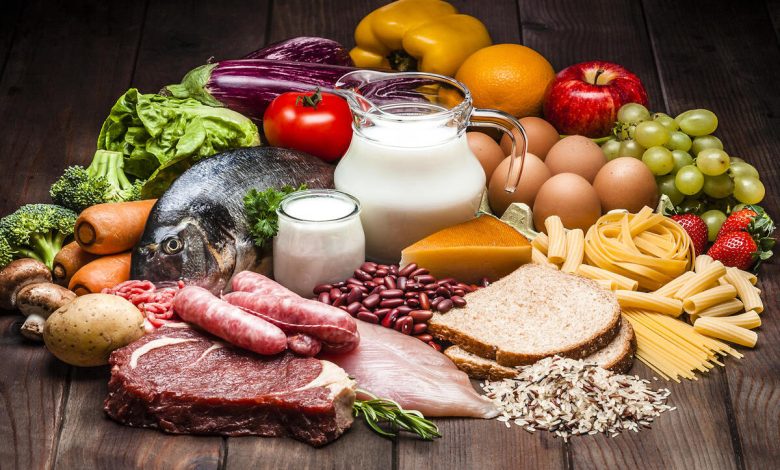
Introduction: Beyond Diet Culture—A Return to Intelligent Eating
In a world flooded with miracle diets, juice cleanses, and conflicting nutritional advice, finding a grounded and sustainable approach to eating can feel like navigating a maze. But at its core, a healthy diet isn’t about restriction or fleeting trends—it’s about cultivating a harmonious relationship with food, one rooted in balance, nourishment, and long-term vitality. The following diet tips go beyond the basics to provide a refined, intelligent perspective on how to eat well and live well.
1. Choose Whole Over Processed—Always
Whole foods are the foundation of any truly nourishing diet. They come closest to their natural form, rich in nutrients and free from unnecessary additives. Processed foods, while convenient, often lack essential vitamins and minerals, and can be laden with sugar, unhealthy fats, and synthetic preservatives.
Opt for foods that are:
-
Grown, not manufactured (e.g., fruits, vegetables, legumes)
-
Recognizable in origin (you should know what it looked like when it was grown)
-
Free from excessive packaging and ingredient lists you can’t pronounce
By prioritizing whole foods, you naturally elevate the quality of your nutrition and support your body’s innate ability to heal, repair, and thrive.
2. Eat with Intention, Not Impulse
Many poor food choices stem not from a lack of knowledge, but from unconscious eating habits. Eating becomes reactive—driven by boredom, stress, or convenience—rather than deliberate and mindful. Intention brings elegance back to the dining experience.
To cultivate intentional eating:
-
Pause before you eat and ask yourself if you’re truly hungry
-
Make meals a ritual: sit down, breathe, and give your food your full attention
-
Avoid multitasking while eating—ditch the phone, TV, or laptop
When you bring consciousness to the act of eating, you’re less likely to overindulge and more likely to feel satisfied and nourished.
3. Master the Art of Moderation
Extremes—whether indulgent or restrictive—rarely lead to sustainable wellness. Instead, the sweet spot lies in moderation. This means allowing room for indulgence without guilt, and making predominantly healthy choices without rigidity.
Key principles of moderation include:
-
Avoid labeling foods as “good” or “bad”—instead, consider frequency and portion
-
Reserve room for occasional pleasures like dark chocolate, wine, or a rich dessert
-
Focus on consistency over perfection; one indulgent meal doesn’t undo your progress
Balanced eating is both more pleasurable and more sustainable in the long run.
4. Prioritize Plant-Based Variety
While there is no one-size-fits-all dietary prescription, an abundance of research supports the benefits of plant-based diversity in the diet. Plants offer essential fiber, phytonutrients, and antioxidants that play a key role in preventing chronic disease and supporting digestion.
Incorporate a wide range of plant foods by:
-
Eating a variety of colorful vegetables and fruits daily
-
Including legumes like lentils, chickpeas, and black beans
-
Swapping refined grains for whole grains such as brown rice, barley, or bulgur
-
Experimenting with herbs and spices to enhance both flavor and health benefits
A diverse plant-based diet feeds not just your body, but your gut microbiome, immune system, and mental clarity.
5. Stay Hydrated with Purpose
Hydration is not merely about drinking water—it’s about supporting every cellular function in your body. Dehydration can subtly impair concentration, metabolism, and even mood. Yet many people walk around chronically underhydrated, mistaking thirst for hunger.
Support hydration by:
-
Starting your morning with a glass of water before coffee or tea
-
Keeping a sleek water bottle at your side during the day
-
Infusing water with natural flavors like cucumber, lemon, or basil for variety
-
Limiting diuretics like caffeine and alcohol that deplete hydration
Proper hydration amplifies the benefits of your diet, enhances digestion, and elevates your energy throughout the day.
6. Don’t Fear Healthy Fats
Despite outdated diet myths, fat is not the enemy. In fact, high-quality fats are essential for hormone production, brain health, and the absorption of fat-soluble vitamins like A, D, E, and K. The key lies in choosing the right types of fats.
Include fats from:
-
Cold-pressed extra virgin olive oil
-
Avocados and nuts such as almonds, walnuts, and pistachios
-
Fatty fish like salmon, mackerel, and sardines
-
Seeds such as flax, chia, and hemp
Avoid trans fats and heavily processed seed oils, which offer no health benefit and can promote inflammation.
7. Listen to Your Body, Not the Clock
Rigid meal timing can sometimes cause more harm than good. While structured eating works for some, others thrive on more intuitive approaches. Learning to understand your body’s signals is a lifelong skill—and one of the most empowering dietary shifts you can make.
Build food awareness by:
-
Not eating just because the clock says so
-
Learning to distinguish true hunger from emotional or habitual eating
-
Recognizing how different foods affect your mood, energy, and digestion
When you trust your body and respond accordingly, food becomes a source of support rather than stress.
8. Prepare, Plan, and Prevent
No matter how refined your intentions, they will falter without a degree of planning. In the chaos of modern life, convenience often trumps quality—unless you make the healthy choice the easy choice. Preparation transforms good intentions into daily success.
Simple preparation tips include:
-
Grocery shopping with a list based on your weekly meals
-
Cooking in batches to have healthy options ready to go
-
Packing nourishing snacks for busy days—like a boiled egg, hummus and veggies, or a handful of almonds
Preparation eliminates excuses and gives you control over your dietary decisions, even during hectic moments.
Conclusion: The True Luxury of Health
True dietary elegance lies in simplicity, consistency, and thoughtfulness. A refined approach to eating isn’t about punishing the body—it’s about honoring it. When you nourish yourself with intention, moderation, and quality, your body responds with clarity, resilience, and strength.
Let your diet be a reflection of self-respect, not self-denial. Let your choices empower you rather than restrain you. And above all, remember that wellness is not achieved in a day—it’s cultivated through a lifetime of wise, gracious decisions.