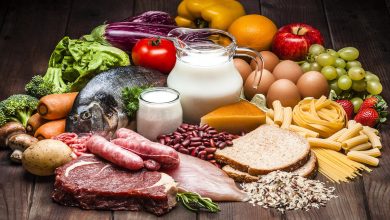
Chronic inflammation is an underlying factor in many of the most prevalent health conditions today, including heart disease, diabetes, autoimmune disorders, and cognitive decline. While acute inflammation is a vital part of the body healing process after an injury or infection, chronic, low-grade inflammation damages healthy tissues and organs over time. Diet plays a powerful role in either fueling or fighting this internal fire. Transitioning to an anti-inflammatory diet is not about adopting a restrictive, short-term fad. It is a sustainable lifestyle shift focused on nourishing the body with whole foods that calm the immune system and support long-term wellness.
Making the switch can feel overwhelming at first. The modern food environment is saturated with highly processed ingredients, refined sugars, and inflammatory fats that sneak into everyday meals. However, transitioning successfully does not require an overnight kitchen overhaul. By taking a gradual, structured approach, you can systematically replace inflammatory triggers with nutrient-dense alternatives without feeling deprived.
Understanding the Core Principles
An anti-inflammatory eating pattern mimics traditional dietary traditions, such as the Mediterranean diet, which emphasizes whole, minimally processed foods. The goal is to balance the body chemistry by increasing the intake of antioxidants and essential fatty acids while eliminating substances that trigger inflammatory immune responses.
-
Focus on antioxidant density: Colorful fruits and vegetables contain powerful plant compounds that neutralize free radicals, which cause cellular damage and drive inflammation.
-
Balance fatty acid ratios: The standard diet is often overloaded with omega-6 fatty acids found in refined vegetable oils, which promote inflammation. An anti-inflammatory approach increases omega-3 fatty acids to restore cellular balance.
-
Stabilize blood sugar: Spikes in blood glucose and insulin trigger inflammatory pathways. Choosing complex carbohydrates and fiber-rich foods keeps energy levels stable and inflammation low.
-
Support gut health: A significant portion of the immune system resides in the digestive tract. Incorporating fiber and fermented foods nurtures a healthy microbiome, which naturally regulates inflammation.
Step One: Purging Inflammatory Triggers
Before adding new foods to your plate, it helps to clear out the items that actively promote inflammation. You do not need to throw away every item in your pantry immediately, but identifying these culprits is the first step toward lasting change.
-
Refined sugars and high-fructose corn syrup: Found in sodas, baked goods, and commercial condiments, these sugars cause rapid insulin spikes and increase inflammatory markers in the bloodstream.
-
Trans fats and refined vegetable oils: Canola, soybean, corn, and safflower oils are high in omega-6 fatty acids and are often chemically altered, making them highly inflammatory when heated.
-
Processed meats: Hot dogs, sausage, and deli meats contain chemical preservatives, nitrates, and advanced glycation end-products that stimulate inflammatory responses.
-
Refined carbohydrates: White bread, pastries, and conventional pasta lack fiber and nutrients, acting much like sugar inside the body.
Instead of viewing these eliminations as a punishment, think of them as removing obstacles that prevent your body from healing itself.
Step Two: Stocking the Anti-Inflammatory Kitchen
Once you have identified what to limit, the next phase is restocking your kitchen with healing alternatives. Building a solid foundation makes cooking at home easy and enjoyable.
Healthy Fats and Oils
Replace inflammatory cooking oils with stable, health-promoting fats. Extra virgin olive oil is a cornerstone of anti-inflammatory eating, packed with oleocanthal, a compound with properties similar to non-steroidal anti-inflammatory drugs. Avocado oil is another excellent choice for high-heat cooking due to its monounsaturated fat content.
Colorful Produce
Aim to eat the rainbow. Different colors represent different phytonutrients. Dark leafy greens like spinach and kale, bright berries, cruciferous vegetables, and deep orange root vegetables should form the bulk of your grocery cart.
Quality Proteins
Incorporate wild-caught fish rich in omega-3 fatty acids, such as salmon, sardines, and mackerel, at least twice a week. Plant-based proteins like lentils, chickpeas, and beans provide ample fiber and minerals without the inflammatory compounds sometimes found in grain-fed red meats.
Healing Spices
Nature provides potent anti-inflammatory agents in the spice rack. Turmeric, containing the active compound curcumin, is widely studied for its ability to block inflammatory molecules. Ginger, garlic, cinnamon, and rosemary also offer powerful cellular protection.
Step Three: Gradual Implementation Strategies
Trying to change every meal at once often leads to burnout. A gradual transition ensures long-term adherence and gives your taste buds time to adjust to less processed flavors.
-
Upgrade one meal at a time: Start by transforming your breakfast into an anti-inflammatory powerhouse, such as a green smoothie with berries, flaxseed, and spinach, or oatmeal topped with walnuts and cinnamon. Once that feels natural, move on to lunch and dinner.
-
Swap ingredients instead of recipes: Keep your favorite comfort foods on the menu by making smart substitutions. Use cauliflower rice instead of white rice, zucchini noodles instead of pasta, or mashed sweet potatoes instead of white potatoes.
-
Prep snacks in advance: When hunger strikes, convenience wins. Keep pre-cut vegetables, raw nuts, and fresh fruit easily accessible so you are not tempted by processed snacks.
Monitoring Progress and Adjusting
As you progress through your transition, pay close attention to how your body responds. Dietary changes impact individuals differently, and listening to your physical feedback is essential for fine-tuning your approach.
Many people notice improvements in digestion, skin clarity, and energy levels within the first few weeks. Joint stiffness may decrease, and sleep quality often improves as systemic inflammation subsides. If certain whole foods cause digestive discomfort, such as specific nightshades or legumes, temporarily eliminate them and reintroduce them later to test your personal tolerance.
Transitioning to an anti-inflammatory diet is a personal journey rather than a rigid rulebook. By focusing on consistency rather than perfection, you build a sustainable foundation for vibrant health and longevity.
Frequently Asked Questions
How long does it take to see results after starting an anti-inflammatory diet?
Many individuals notice improvements in energy, digestion, and bloating within two to three weeks. However, reducing systemic biomarkers of chronic inflammation and alleviating chronic joint or skin issues typically takes two to three months of consistent dietary adherence.
Are nightshade vegetables inflammatory for everyone?
No. While nightshades like tomatoes, potatoes, eggplants, and peppers contain compounds called alkaloids that some individuals sensitive to inflammation find problematic, they are rich in nutrients and beneficial antioxidants for the general population.
Can I follow an anti-inflammatory diet if I am on a tight budget?
Yes. Frozen fruits and vegetables are harvested at peak ripeness and are often significantly cheaper than fresh produce while retaining identical nutritional value. Dried beans, lentils, canned wild-caught tuna, and seasonal root vegetables are also budget-friendly staples.
Do I need to eliminate gluten and dairy completely?
Gluten and dairy are common triggers for digestive distress and immune reactivity in certain individuals, but they are not universally inflammatory. If you do not have a diagnosed sensitivity, celiac disease, or lactose intolerance, high-quality organic dairy and ancient whole grains can still fit into a balanced plan.
What is the role of hydration in reducing inflammation?
Water is essential for flushing metabolic waste products out of tissues and supporting cellular transport systems. Dehydration can concentrate inflammatory markers in the bloodstream, making consistent daily water intake a simple yet vital anti-inflammatory habit.
Are supplements necessary, or can I get everything from food alone?
Whole foods should always be the primary source of nutrients because they provide complex synergistic compounds that supplements cannot replicate. However, individuals with specific deficiencies, such as vitamin D or omega-3 fatty acids, may benefit from targeted supplementation under professional guidance.