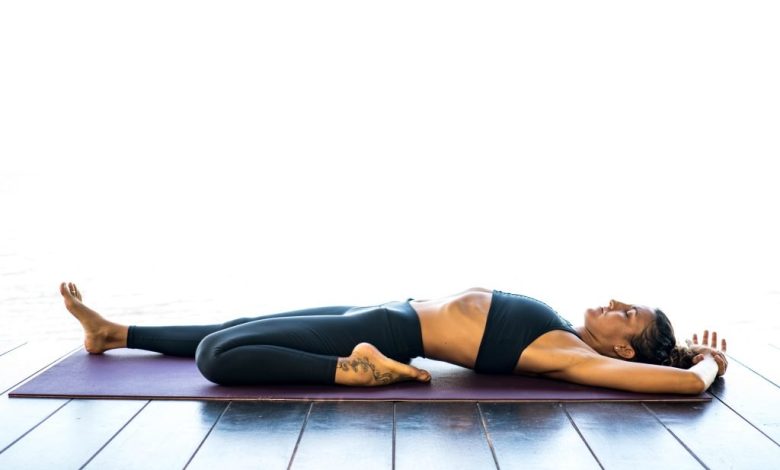
In Singapore’s modern urban lifestyle, where fast-paced routines and digital stress have become the norm, many are turning to slower, more introspective practices for relief. Among these, yin yoga has carved out a vital space—not just as a calming ritual, but as a deeply therapeutic approach grounded in anatomical and physiological science. Unlike more active or muscular forms of yoga, yin yoga works beneath the surface, targeting the body’s connective tissues such as fascia, ligaments, and joints through long, passive holds.
Understanding how yin yoga impacts the body requires delving into the world of fascia and the role of time in stretching. The slow and steady nature of each posture is not simply about relaxation—it’s about transformation at a structural level.
What Is Fascia, and Why Does It Matter?
Fascia is a thin layer of connective tissue that surrounds muscles, bones, and organs, acting like a web that holds the body together. Often overlooked in traditional fitness models, fascia is increasingly recognised as essential to mobility, posture, and overall physical health.
- It provides structural support and shapes body alignment
- It facilitates force transmission between muscles
- It plays a key role in proprioception—our sense of spatial awareness
When fascia becomes tight or dehydrated from lack of movement or prolonged sitting (a common reality for many Singaporeans), it restricts mobility and causes discomfort. Yin yoga’s gentle, long-held poses offer a unique opportunity to hydrate, release, and rebalance this network.
How Long Holds Trigger Fascial Change
Yin yoga poses are typically held for 3 to 7 minutes, allowing time for the connective tissues to respond to stress. Unlike muscle tissue, which reacts quickly, fascia and ligaments need slow, sustained tension to stimulate a process called creep—a gradual elongation of tissue over time.
This mechanical stress leads to:
- Myofascial release: Releasing tension and adhesions in the fascia
- Increased pliability: Encouraging long-term flexibility and joint range of motion
- Hydration of tissues: Restoring synovial fluid movement around joints
In essence, yin yoga supports fascial health not through effort, but through stillness. It is the power of intentional inactivity that produces real, tangible effects.
Yin Yoga’s Influence on Joint Health
Joints such as the hips, knees, and spine contain fibrous tissues that are not meant to be aggressively stretched. However, they still require regular stimulation to remain healthy. The compressive and tensile forces applied during yin yoga poses stimulate the fibroblasts—cells responsible for maintaining connective tissue structure.
With consistent practice, individuals often experience:
- Reduced joint stiffness
- Improved synovial fluid circulation
- Stronger ligaments and joint capsule integrity
This becomes particularly beneficial for ageing populations or those recovering from sedentary periods, such as after working long hours at a desk—something many Singapore professionals can relate to.
The Role of Stillness and Nervous System Regulation
Beyond the physical mechanics, yin yoga provides a gateway to parasympathetic nervous system activation, which is responsible for “rest and digest” functions. When the body is in prolonged stillness and guided breathing, the sympathetic (fight-or-flight) response is reduced.
Scientific studies show that:
- Cortisol levels (stress hormone) drop
- Heart rate variability improves
- Vagal tone increases (linked to emotional regulation)
By triggering a deep state of rest, yin yoga offers mental clarity and emotional grounding. This can have real effects for those navigating the mental demands of urban living in Singapore—from students to entrepreneurs.
Common Misconceptions: “Passive Means Easy”
A misconception often encountered in studio settings is the belief that yin yoga is “too easy” or lacks effectiveness compared to dynamic practices. This couldn’t be further from the truth. The work done in yin yoga is subtle yet intense, requiring:
- Mental discipline to remain still
- Emotional acceptance of discomfort
- Patience in allowing transformation over time
It’s a practice that trains resilience not through force, but through surrender—a lesson applicable both on and off the mat.
Who Should Practise Yin Yoga?
Yin yoga is suitable for almost everyone, but is especially beneficial for:
- Office workers suffering from lower back tightness or rounded shoulders
- Athletes who need to improve recovery and flexibility
- Elderly individuals looking to maintain mobility
- Anyone dealing with stress, insomnia, or anxiety
Its adaptability also makes it a valuable addition to anyone’s weekly schedule, even if only for one session. Whether you’re new to yoga or an experienced practitioner, the slow rhythm and internal focus of yin yoga offer a distinct and necessary counterbalance.
How Yin Yoga Is Integrated at Yoga Edition
At Yoga Edition, the yin yoga classes are designed with a deep understanding of the human body and its natural rhythms. Instructors focus on anatomical alignment, breath awareness, and functional stillness. Classes are conducted in a quiet, supportive environment, with modifications available for various needs.
Yin yoga at Yoga Edition isn’t just about flexibility—it’s about restoring balance in a world that demands constant action.
Key Tips to Maximise Your Yin Yoga Practice
To get the most out of each session, consider these tips:
- Arrive early: Mentally settle into a relaxed state before class begins
- Use props wisely: Bolsters, blocks, and blankets support deep release without strain
- Focus on breath: Inhale and exhale slowly to enhance the meditative quality of each hold
- Let go of achievement: Yin yoga is not about depth or poses—it’s about awareness
- Stay hydrated after class: To help flush out metabolic waste released during the practice
Adopting these habits can turn a simple class into a powerful journey of self-care and deep tissue healing.
Real-Life Impact: What Practitioners in Singapore Say
Singaporeans who regularly attend yin yoga classes often report:
- Feeling less stiff during MRT commutes or long office hours
- Sleeping better after evening sessions
- Greater emotional stability during stressful periods like exam seasons or peak work months
- Improved posture without intensive effort
This local feedback confirms that yin yoga isn’t just scientifically sound—it’s practically effective, especially when taught mindfully and integrated into one’s lifestyle.
Frequently Asked Questions (FAQ)
Q1: How often should I practise yin yoga for noticeable results?
For most people, practising yin yoga 2–3 times a week brings noticeable benefits in joint mobility, posture, and emotional balance. Beginners can start with once a week and build up gradually.
Q2: Can I combine yin yoga with gym workouts or other yoga styles?
Yes. Yin yoga complements high-intensity workouts, running, weight training, and even vinyasa-style yoga. Many Singaporeans find it helpful to schedule yin on rest or recovery days.
Q3: Is yin yoga suitable during pregnancy?
With modifications and guidance from a certified instructor, yin yoga can be adapted during pregnancy. However, always consult your doctor before starting a new practice.
Q4: What should I bring to a yin yoga class?
Bring a yoga mat, water bottle, and wear comfortable, stretchy attire. Studios often provide props, but you may bring your own bolster or block for personal comfort.
Q5: I struggle to stay still. Will yin yoga be too hard for me?
It may be challenging at first, but that’s exactly why it’s beneficial. Yin yoga cultivates patience and internal focus—skills that grow over time with practice.