A confident smile opens doors, inspires conversations, and elevate day-to-day interactions. While many people attribute a great smile solely to genetics, there are in fact several lifestyle, hygiene, and cosmetic factors that play a role in creating that perfect grin. When combined with a healthy approach to dental care, these factors can transform not just the look of your teeth, but also your overall sense of self-confidence. This article explores the steps and strategies that help maintain a stunning smile, covering how to prevent common oral health issues, the importance of diet, the significance of dental treatments, and practical tips for ensuring your teeth remain a source of pride.
According to Dr. Sahil Patel of Marylebone Smile Clinic: “Aesthetic dentistry is about more than just appearances; it’s about supporting patients in achieving a balanced, harmonious look that enhances their facial features. In my experience, a holistic approach to dental health and maintaining good oral habits can make a dramatic difference. For those considering a more tailored solution, London veneers can significantly enhance the appearance of the teeth while preserving underlying healthy structures.”
The Basics of a Great Smile
A strong foundation is the key to ensuring your smile retains its brilliance for years. Teeth are composed of several layers, with enamel being the most visible. Although enamel is considered the hardest substance in the human body, it is still susceptible to erosion, staining, and cracks caused by normal wear and tear. Daily brushing and flossing remove plaque, but consistent dental check-ups remain essential for preventing tartar accumulation and catching issues like cavities or early gum disease.
Alignment is also crucial to a balanced appearance. Even in cases where the teeth are healthy, misalignment can lead to uneven tooth wear, speech difficulties, and an increased risk of decay in harder-to-reach areas. An aligned set of teeth not only improves oral function but also contributes to a more uniform, pleasing smile. While some of these factors can be influenced by heredity, early intervention and consistent care go a long way toward mitigating problems.
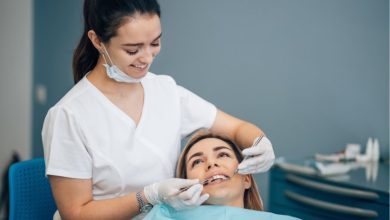
Professional cleanings and check-ups catch small issues before they escalate. Dentists can detect the earliest signs of gum irritation or enamel damage, which might not be visible to the untrained eye. Detecting problems early allows for treatment strategies that maintain the natural tooth structure, an approach much kinder to your overall oral health than more intensive restorative work. Alongside these preventive measures, many individuals seek aesthetic improvements through treatments like whitening or aligners, which can significantly boost confidence.
Protecting and Strengthening Enamel
Once enamel is lost, it does not regenerate, which underscores the importance of protecting it from harmful substances. Acidic foods and drinks, such as fruit juices, carbonated beverages, and vinegar-based dressings, can slowly dissolve the protective enamel layer. Sugary snacks feed bacteria that produce harmful acids, further contributing to enamel loss. Brushing right after consuming acidic items may feel like a natural impulse, but immediate brushing can actually spread the acid deeper into the enamel. Instead, it is advisable to wait at least 30 minutes before cleaning your teeth, giving saliva the chance to neutralise some of the harmful acids and begin restoring a normal pH level in your mouth.
Fluoride is a proven asset in strengthening enamel. Most British tap water contains regulated levels of fluoride, and many toothpastes reinforce this protective effect. By incorporating fluoride into your daily routine, you can boost your enamel’s defences, helping it resist both acidic damage and the onset of cavities. Mouthwashes that contain fluoride can also serve as a supplementary measure, though they should not replace brushing and flossing.
The Role of Gum Health
When talking about achieving a picture-perfect smile, the focus often falls on the teeth, yet gum health is just as critical. Gums frame the teeth, providing the backdrop that defines how the smile is perceived. Infections in the gums can cause discomfort, bleeding, and in serious cases, tooth loss. Red or swollen gums signal potential inflammation, often caused by plaque left near or below the gum line. Failing to address these symptoms early can result in more serious conditions, such as periodontitis, which damages the soft tissue and bone that support the teeth.
Regular brushing and flossing reduce plaque that builds along the gum line. Gently cleaning this area ensures the gums remain healthy and well contoured, creating the ideal frame for your smile. For individuals with sensitive or receding gums, dentists sometimes recommend a specialised technique or toothbrush. Early detection is once again essential. Dentists can spot pockets of inflammation and suggest preventive or therapeutic measures to avert more complex treatments later.
Many people also underestimate the role of massage or stimulation for the gums. Gently brushing along the gum line or using soft picks can encourage blood flow and promote tissue health. With a well-rounded approach that involves consistent cleaning, balanced brushing techniques, and awareness of early signs of inflammation, maintaining healthy gums becomes an achievable goal.
Cosmetic Dentistry Innovations
Although regular care is the backbone of a beautiful smile, cosmetic dentistry addresses the final aesthetic touches that contribute to a more polished appearance. Whitening procedures have become increasingly popular, offering more dramatic results than what can typically be achieved with over-the-counter products. Performed under the supervision of a dental professional, whitening treatments are tailored to the individual’s level of staining and tooth sensitivity, ensuring optimal outcomes while minimising discomfort.
Orthodontic solutions now feature clear aligners that fit snugly over the teeth. Unlike traditional metal braces, these aligners are virtually invisible and can be removed for eating and brushing. They have become a preferred option for those who wish to straighten their teeth discreetly. By leveraging modern technology, including 3D imaging, dentists can design a set of aligners to gradually shift teeth into their desired positions. Not only does this deliver aesthetic benefits, but it can also correct issues such as overbites, underbites, and crossbites, ultimately improving both comfort and long-term dental health.
Another area of significant innovation is the range of restorative and enhancement treatments. For those seeking a more dramatic and immediate transformation, veneers London clinics offer are a popular choice. Thin shells bonded to the front of the teeth, veneers can cover discolouration, chips, or gaps. Advances in materials have made modern veneers more durable and realistic than ever before, though they remain just one example of the diverse treatments available. Options like composite bonding and contouring can also alter the tooth shape or mask small imperfections.
The Impact of a Balanced Diet
Aside from professional treatments and at-home care routines, dietary habits play a crucial role in how your smile looks and feels. A balanced diet provides essential nutrients that support not just your overall health, but also your oral health. Calcium, commonly found in dairy products and leafy green vegetables, fortifies teeth and bones. Phosphorus, magnesium, and vitamin D also contribute to robust tooth structure and efficient absorption of crucial minerals.
Overconsumption of sugary or starchy foods promotes bacterial growth, which in turn produces acids that erode enamel. While occasional indulgences are often part of a balanced lifestyle, it is wise to limit frequent snacking on sweet or sticky foods. When sugar lingers on the teeth, bacteria feed for an extended period, heightening the risk of decay. Choosing fresh fruits, vegetables, and whole grains helps maintain a stable environment in the mouth. Crunchy foods like apples and carrots also stimulate saliva production and gently clean the tooth surface, offering a natural defence against plaque buildup.
Drinking adequate water throughout the day is another beneficial practice, as it helps rinse away food particles and dilutes acids in the mouth. Water also aids in keeping the gums hydrated and promotes saliva production, which is your body’s natural mechanism for neutralising acids. By pairing healthier choices with moderation in sugary or highly acidic items, you lay a solid groundwork for a brilliant smile that endures.
Habits to Avoid
In pursuit of that picture-perfect grin, it is important to address habits that can derail your progress. Smoking, in particular, stains teeth and restricts blood flow to the gums, making it one of the most detrimental habits to oral health. The chemicals in tobacco weaken the immune system, leaving the gums more vulnerable to infection. Beyond staining, smoking can lead to gum recession and tooth loss. Cutting back or quitting not only benefits your lungs and heart, but also helps your teeth retain their natural whiteness and lowers your risk of developing periodontal disease.
Regular alcohol consumption can also impact a person’s smile. Alcoholic beverages often contain high levels of sugar, which feed bacteria in the mouth. Some types of alcohol, such as wine, are more acidic, weakening the enamel over time. Excessive alcohol intake may reduce saliva production, leaving you more susceptible to cavities. While moderate consumption might not cause drastic damage, it is wise to be mindful of the combined effects when paired with other risk factors.
Frequent snacking can also pose a problem. Each time you eat, the environment in your mouth becomes more acidic for roughly 20 minutes, a process that can weaken enamel. If you frequently graze on sweets or starchy snacks, your teeth stay under acidic attack for longer periods. While small meals can fit into a healthy lifestyle, spacing them out and selecting lower-sugar options can help protect your enamel.
Maintaining Long-Lasting Results
Once you have achieved your desired smile through diligent care and occasional cosmetic enhancements, preserving those results becomes the next priority. Scheduling routine dental visits allows for professional maintenance of any restorative work, such as veneers, crowns, or bonding. Dentists will look for early signs of wear or shifting, ensuring that any slight issue is swiftly addressed. Adhering to the recommended cleaning regime—usually twice daily brushing, flossing at least once a day, and possibly using a mouth rinse—will keep plaque under control.
Continuing to prioritise dietary balance also helps sustain any whitening treatments or corrections. While professional whitening often delivers striking results, certain foods and drinks, such as red wine, coffee, and tea, can cause gradual discolouration. If you do consume these beverages, rinsing with water or brushing soon afterward can help prevent deep staining. Consistency, in both at-home care and professional maintenance, is key to enjoying your new smile for the long term.
Mental and Emotional Factors
Much of the conversation around achieving a perfect smile focuses on practical steps like brushing, flossing, and cosmetic procedures. However, mental and emotional factors also play an essential part. People who experience dental anxiety may avoid dental check-ups and cleanings, letting minor issues develop into larger problems. Finding ways to manage this anxiety—whether through open communication with your dentist, mindfulness techniques, or sedation options—can help maintain an effective, ongoing dental care routine.
Confidence often improves after addressing visible flaws in one’s smile. This psychological boost can lead to positive changes in other areas of life, from better personal interactions to enhanced performance in the workplace. Feeling good about your teeth can be a catalyst for other healthy habits, encouraging some individuals to quit smoking, reduce sugar intake, or maintain a more balanced lifestyle overall.
The Artistry Behind Cosmetic Dentistry
While improving tooth function and health is paramount, dentistry can also be a form of art. Skilled cosmetic dentists must understand proportions, symmetry, and how each feature of the face influences and complements the smile. This artistry becomes especially apparent with treatments like veneers or crowns, which must match the shape, size, and colour of existing teeth. An experienced dentist takes into account the patient’s skin tone, lip shape, and facial structure to ensure the results appear harmonious and natural.
Modern technology, including digital smile design and 3D printing, allows for more precise customisation. Dentists can predict how certain changes will affect the overall look, giving patients a clearer idea of their end result. For those seeking a transformation, this process can minimise the guesswork and help achieve their vision. Whether it involves a minor adjustment like composite bonding or a comprehensive approach with multiple procedures, the blend of skill and technology ensures patients can attain a smile that feels both authentic and refined.
The Journey from Concern to Confidence
Many individuals feel self-conscious about misalignment, discolouration, or chips, which leads them to conceal their smile in social or professional situations. The journey toward greater confidence often starts with booking an initial dental consultation to identify both the underlying issues and possible treatments. During this phase, it is important to express concerns and set realistic expectations. The dentist evaluates the condition of teeth and gums, determines whether orthodontic intervention is needed, and discusses any structural problems that might affect cosmetic outcomes.
For mild cases of crooked or uneven teeth, clear aligners or short-term orthodontics can provide a straighter appearance. In scenarios involving discolouration, professional whitening might be the simplest way to enhance the smile. More extensive aesthetic changes, like placing veneers, can address multiple issues simultaneously, altering shape, shade, and alignment to a certain degree. Each path has its own advantages, timelines, and costs, so thorough research and transparent discussions with a qualified professional help in making the most informed decision.
Those who opt for comprehensive makeovers often report a renewed sense of self-assurance. They are less inclined to hide their teeth and more willing to engage with others comfortably. While this boost in confidence is a notable outcome, the functional benefits should not be overlooked. Correcting alignment, for example, can reduce the risk of abnormal tooth wear or jaw pain, while restoring chipped areas can prevent further damage.
Protecting Your Smile Over Time
Wear and tear is inevitable, even for the most cared-for teeth. Yet, taking certain precautions can slow that process. One often overlooked practice is wearing a mouthguard during sports or other high-impact activities. A custom-fitted mouthguard not only protects against tooth fractures or loss, but also shields the jaw and reduces the risk of concussions. Similarly, those who grind their teeth at night might benefit from a night guard. Grinding, or bruxism, can lead to headaches, jaw pain, and accelerated wear on the enamel.
Stress management also plays a part. High levels of stress may amplify bruxism or cause individuals to adopt poor coping habits like smoking or excessive snacking. Physical exercises, relaxation techniques, or therapy can help manage stress, indirectly safeguarding your oral health. Even after investing time and resources in treatments like veneers London residents frequently seek, it is crucial to address these behavioral aspects to maximise the longevity of the results.
Another factor is the changing composition of saliva. As people age, certain medical conditions or medications can reduce saliva flow. A dry mouth can accelerate decay, because saliva helps rinse away food particles and neutralise acids. Staying hydrated and discussing potential side effects with your healthcare provider can help mitigate this issue. Sugar-free gum and specialised mouthwashes are sometimes recommended to keep the mouth moist and reduce discomfort or dryness.
Correcting Misconceptions
About the Perfect Smile A striking, well-maintained smile does not necessarily mean teeth have to be dazzlingly white or flawlessly straight. Each individual’s teeth have unique characteristics influenced by genetics, diet, and lifestyle. Some mild imperfections might even be considered endearing, contributing to a smile’s individuality. The pursuit of perfection can sometimes lead to overtreatment, where individuals replace healthy tooth structure with invasive procedures when a more conservative approach might suffice.
Choosing a dentist who prioritises preserving natural tooth structure while enhancing aesthetics can help you strike the right balance. The aim is often to achieve a look that complements the patient’s overall features rather than adhering to an arbitrary standard. A symmetrical or bright smile should still appear natural, blending seamlessly with the rest of one’s facial expressions. This mindset can save patients from potential complications down the line and ensure they remain satisfied with their smile as they age.
Another misconception is that dentistry is solely about aesthetics. In truth, healthy teeth and gums improve overall well-being. Studies consistently show that oral infections can affect other bodily systems, including the heart and lungs. Therefore, while cosmetic procedures have become more accessible and popular, they should never overshadow the health and function of your teeth. An integrated approach balances appearance with practicality, ensuring your smile both looks and feels its best.
Finding the Right Professional
The growing demand for cosmetic dental procedures means that more clinics and professionals are offering specialised services. However, not all providers are equal in skill or experience. Recommendations from friends or family and verified patient testimonials can guide you toward a reliable practitioner. It is also helpful to look for dentists with memberships in recognised professional bodies or who consistently update their techniques with continuing education.
During the initial consultation, the dentist should spend time discussing your goals, offering realistic solutions, and explaining both the benefits and limitations of each procedure. Good communication fosters trust and helps patients make informed decisions. Observing a dentist’s attention to detail and willingness to answer questions can also give insight into the level of care you can expect. If you feel rushed or unclear about a proposed treatment plan, seeking a second opinion is always an option.
A reputable cosmetic dentist can work in conjunction with other dental specialists if necessary. Complex cases may involve periodontists for gum contouring or orthodontists for alignment corrections. This multidisciplinary approach ensures that each phase of treatment is performed by the appropriate expert, resulting in a balanced outcome that addresses both form and function. Above all, a quality professional will never compromise oral health in the quest for an aesthetic upgrade, emphasising the importance of prevention and preservation at every stage.
Planning for the Future
Dental innovations continue to evolve, making cosmetic procedures more effective and less invasive. Laser dentistry, for instance, is gaining popularity for procedures like gum reshaping, offering a more precise outcome with shorter recovery times. Digital technologies enable better treatment simulations, allowing patients to visualise the end result of their makeover before it even starts. These tools can serve as powerful motivators, helping individuals feel more comfortable and excited about the journey ahead.
Preventive measures and advanced diagnostics are also on the rise. A combination of routine check-ups, imaging, and possibly even genetic testing (in some specialised cases) can identify risks for certain oral conditions, allowing patients and dentists to take proactive steps. Knowing one’s susceptibility to gum disease or tooth decay can guide daily habits, turning what might have been a reactive approach into a preventive strategy.
Integration with general health care is another emerging trend. As medical professionals recognise the link between oral health and systemic conditions, collaborative care becomes more common. This means that in the future, patients might see even greater synergy between their primary care physicians, dental specialists, and other healthcare providers. The ultimate goal is to ensure that oral care is not isolated from total health, reinforcing the idea that a healthy, picture-perfect smile reflects overall well-being.
Conclusion
Crafting and maintaining a picture-perfect smile is a journey involving multiple factors. From the fundamentals of daily oral hygiene and balanced nutrition to more advanced cosmetic solutions, each element contributes to a brighter, more confident grin. Protecting enamel, caring for the gums, and addressing misalignment issues form the practical foundation, while cosmetic dentistry offers solutions for improving overall aesthetics and boosting self-assurance. London serves as a hub for dental innovation, offering a wide range of services, including veneers London residents often choose for their transformative potential.
Yet even the best treatments require a diligent approach to upkeep. Avoiding harmful habits, managing stress, and embracing routine check-ups will preserve both the appearance and health of your smile. The emotional benefits can be profound, fostering greater self-confidence and enhancing how you carry yourself in daily life. Skilled professionals guide patients through this process, striking a balance between functional health and artistic design. By understanding the interplay of these various factors, individuals can achieve a lasting result that genuinely reflects their personality.
A picture-perfect smile is not merely about vanity—it is a testament to comprehensive health, mindful care, and ongoing maintenance. As innovation continues to refine techniques and materials, aspiring for that ideal grin becomes more accessible than ever before. With a commitment to preventive measures, open communication with skilled professionals, and a balanced lifestyle, you can unlock the secrets to a smile that is not only radiant but also enduring.