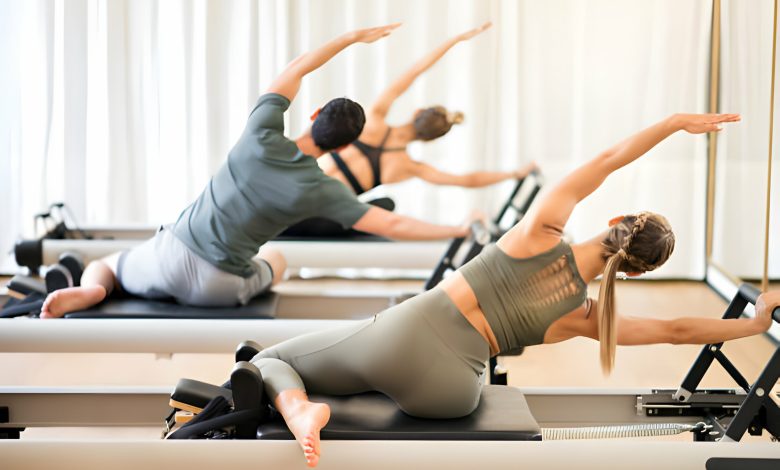
Pilates has gained immense popularity in the fitness world due to its ability to improve strength, flexibility, and posture while promoting overall well-being. However, when choosing between Pilates reformer workouts and traditional mat-based Pilates, many people are unsure which method suits them best. Understanding the key differences, benefits, and challenges of each can help you make an informed decision that aligns with your fitness goals.
Understanding Pilates Reformer and Mat Pilates
Pilates can be performed on a mat or using a Pilates reformer, a specialized piece of equipment designed to enhance resistance-based exercises. While both methods follow the principles developed by Joseph Pilates, they differ significantly in execution and intensity.
What Is Mat Pilates?
Mat Pilates involves performing a series of controlled movements on the floor using only your body weight. It focuses heavily on core strength, balance, and flexibility. Unlike Pilates reformer workouts, mat Pilates does not rely on external resistance from springs or pulleys.
What Is Pilates Reformer?
A Pilates reformer is a dynamic piece of equipment consisting of a sliding carriage, springs, straps, and a foot bar. The adjustable resistance levels allow for greater versatility, offering a more intensive workout compared to mat Pilates. Those looking to elevate their training often turn to Pilates reformers, which can be found in professional studios and at-home setups.
For those seeking high-quality reformer options in Singapore, Yoga Edition provides an excellent range of equipment tailored to different skill levels and fitness objectives.
Key Differences Between Reformer and Mat Pilates
While both styles share fundamental principles, they differ in execution, accessibility, and the physical benefits they offer. Below is a comparison of the two methods.
- Resistance and Intensity
- Mat Pilates: Uses body weight for resistance, making it accessible but sometimes challenging for beginners due to the need for strength and control.
- Pilates Reformer: The spring-based resistance system provides added support while allowing for deeper engagement of muscles.
- Range of Motion and Flexibility
- Mat Pilates: Encourages natural movement with a focus on flexibility.
- Pilates Reformer: The adjustable springs and sliding carriage allow for greater range of motion, making it ideal for rehabilitation and injury prevention.
- Accessibility and Equipment
- Mat Pilates: Requires only a mat, making it convenient and cost-effective.
- Pilates Reformer: Requires a reformer machine, which may be a financial and space investment.
- Muscle Engagement
- Mat Pilates: Focuses on deep core muscles and stability.
- Pilates Reformer: Engages more muscle groups due to the resistance settings, providing a full-body workout.
Who Should Choose Mat Pilates?
Mat Pilates is perfect for individuals looking for a low-cost, low-equipment workout that still offers excellent strength and flexibility benefits. It is particularly beneficial for:
- Beginners who want to learn the fundamentals of Pilates.
- Individuals looking to improve core strength and stability.
- Those who prefer home workouts with minimal equipment.
Who Should Choose Pilates Reformer?
A Pilates reformer is ideal for individuals who want a more challenging and varied workout. This method is particularly beneficial for:
- Athletes looking to enhance their strength and endurance.
- Individuals recovering from injuries who need controlled resistance training.
- Those who want a structured, full-body workout with adjustable difficulty levels.
The Benefits of Combining Both Methods
Many Pilates enthusiasts incorporate both mat and reformer workouts into their fitness routine for maximum benefits. Here’s why:
- Enhanced Strength: Mat Pilates builds foundational strength, while the Pilates reformer adds intensity and resistance for greater muscle engagement.
- Improved Flexibility: The dynamic range of motion on a reformer complements the stretching exercises of mat Pilates.
- Versatility: Combining both methods prevents workout monotony and allows for a well-rounded fitness regimen.
Choosing the Right Option for You
Your choice between mat Pilates and the Pilates reformer should depend on your personal fitness goals, budget, and availability of equipment. If you’re unsure which to start with, consider taking a trial class for both methods. Many studios, including Yoga Edition, offer introductory classes to help individuals find the best fit.
Final Thoughts
Both mat Pilates and Pilates reformer workouts provide significant health benefits, making them excellent choices for improving strength, flexibility, and overall well-being. If you prefer a minimalist approach with body-weight exercises, mat Pilates is a great starting point. However, if you’re looking for an enhanced and dynamic experience, investing in a Pilates reformer may be the right choice for you.
Whichever path you choose, consistency is key. Whether on a mat or a reformer, Pilates can help you achieve a balanced, strong, and resilient body with long-term health benefits.